




Before you spend months and thousands of dollars building, you can find out whether people actually want your idea. A prototype lets you test the concept for a fraction of the cost. Here is how to do it right.
Key takeaways
- A clickable prototype tests your idea without writing production code.
- Real user testing beats asking friends whether they like it.
- A simple landing page can measure demand before anything is built.
- The goal is honest feedback, so ask questions that can prove you wrong.
Why Validate First
Most startups fail because they build something the market did not want, not because the code was bad. Validation flips the order: you test the idea before you commit real money to development. It is the cheapest insurance a founder can buy.
A prototype lets you put something realistic in front of people and watch how they react, all without a full build. You learn whether the problem is real, whether your solution clicks, and where people get confused, in days rather than months.
- Most startups fail on demand, not code
- Test before you spend on building
- Learn in days, not months
Building a Clickable Prototype
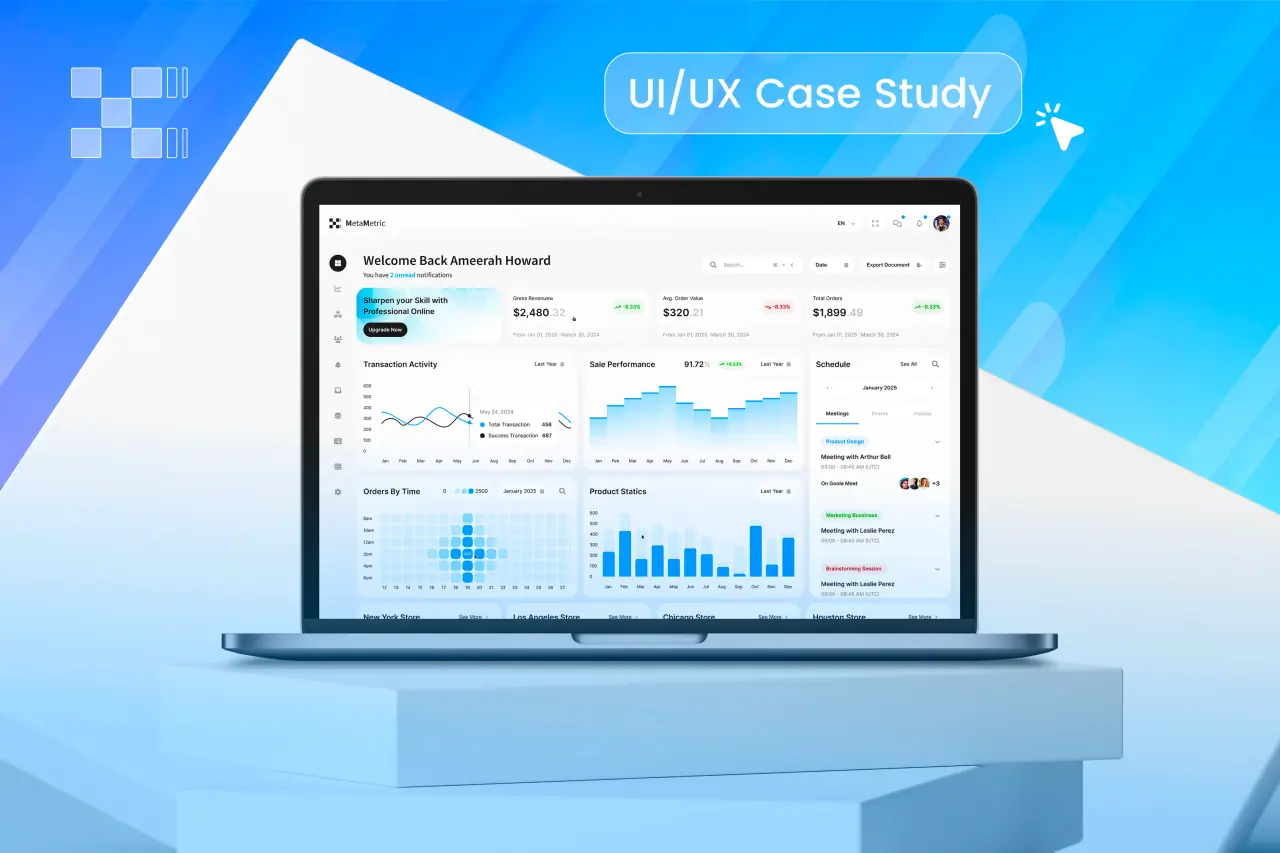
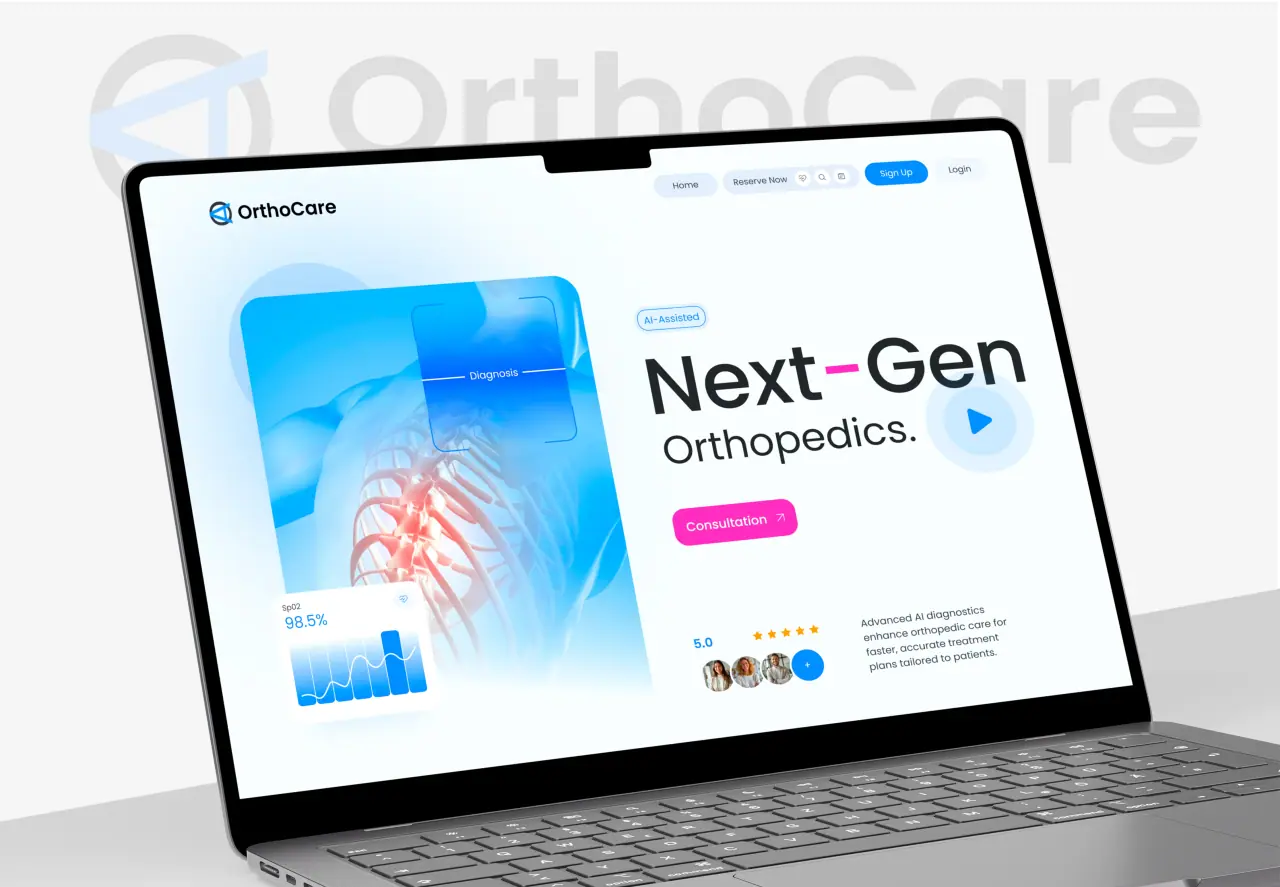
A clickable prototype is a set of connected screens that looks and feels like a real app but has no working backend. Tools like Figma let you link screens so a user can tap through the core flow. It is realistic enough to test the experience without any engineering.
Focus the prototype on your single most important flow, the one that proves your value. You do not need every screen; you need the path that answers can people understand this and would they use it. Keep it lean and specific.
- Connected screens, no real backend
- Focus on the core value flow
- Realistic enough to test the experience
Testing With Real Users
Show the prototype to people who match your target customer, not just friends and family who want to be nice. Give them a task, stay quiet, and watch. Where they hesitate or take a wrong turn tells you more than any compliment could.
Ask open questions that let people disagree: what would stop you from using this, or what is confusing here. You are hunting for problems, not praise. Five to eight thoughtful sessions usually surface the biggest issues clearly.
- Test with real target users
- Watch behavior, not just opinions
- Ask questions that invite criticism
Landing Pages and Demand
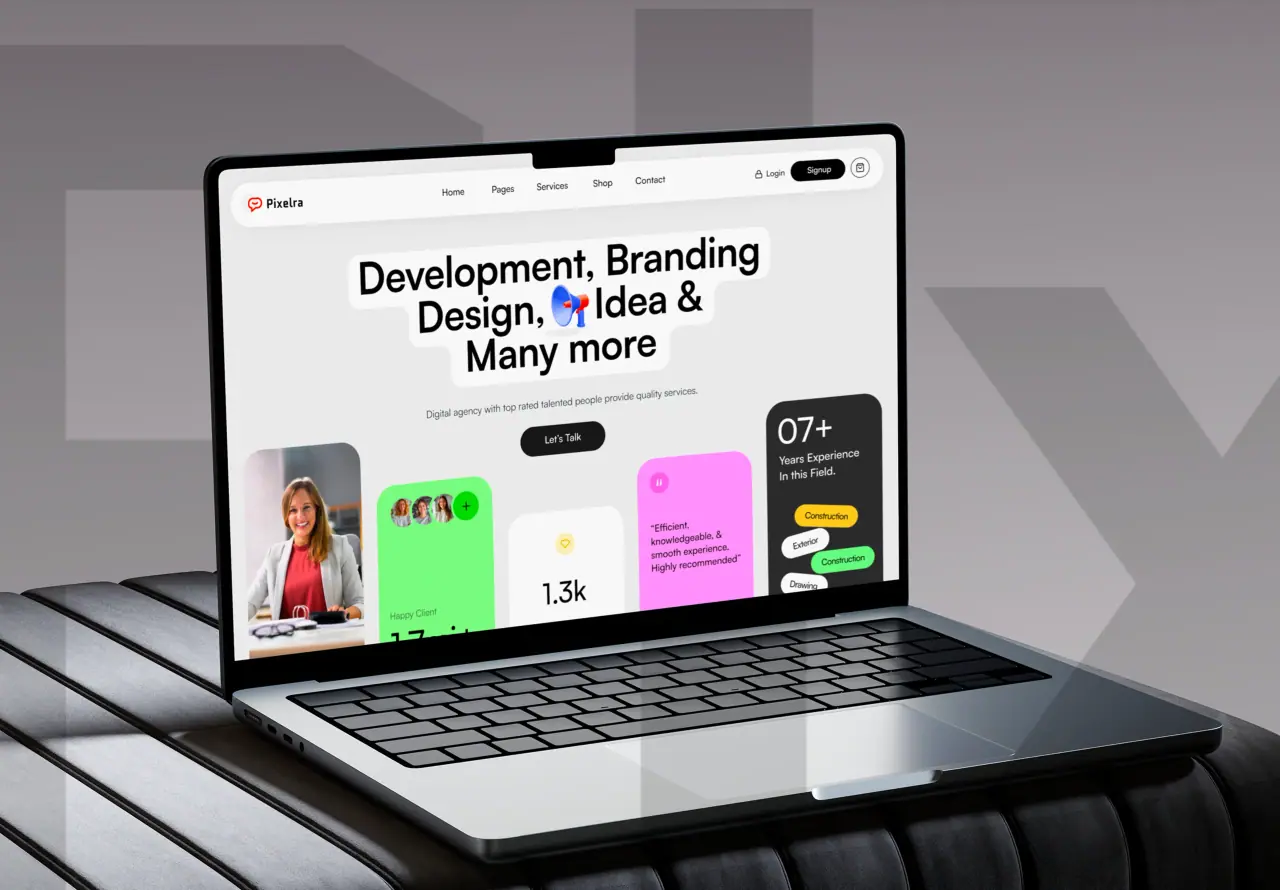
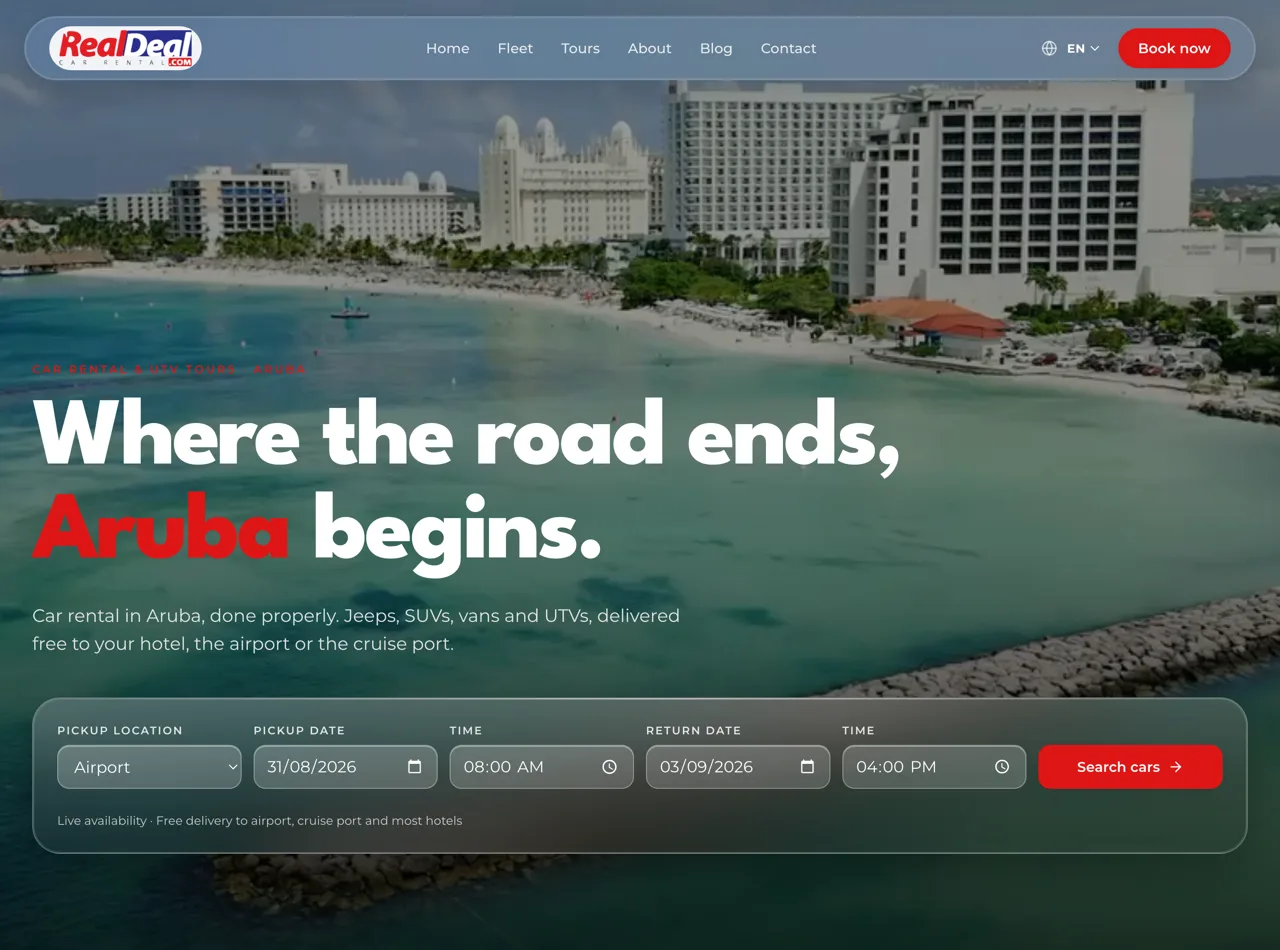
Beyond usability, you want to know if people actually want it enough to act. A simple landing page that explains the offer and asks for an email or a pre-order is a powerful demand test. Real signups are stronger evidence than any survey.
Drive a little targeted traffic to it and measure the conversion rate. If almost nobody signs up, that is valuable, cheap news before you build. If a meaningful share do, you have early proof and a waiting list to launch to.
- Explain the offer clearly
- Collect emails or pre-orders
- Measure real signup conversion
How NeoDimensional Helps
NeoDimensional is a US-based UI/UX design and software development agency, founded by Guljar Hosen. We build clickable prototypes and validation landing pages, and help founders run user tests, so you get real evidence before writing a line of production code.
If you have an idea and want to know whether it holds up before you invest, book a 30-minute call and we will design a lean validation plan tailored to your concept.
- Clickable prototypes for testing
- Validation landing pages
- User testing guidance for founders