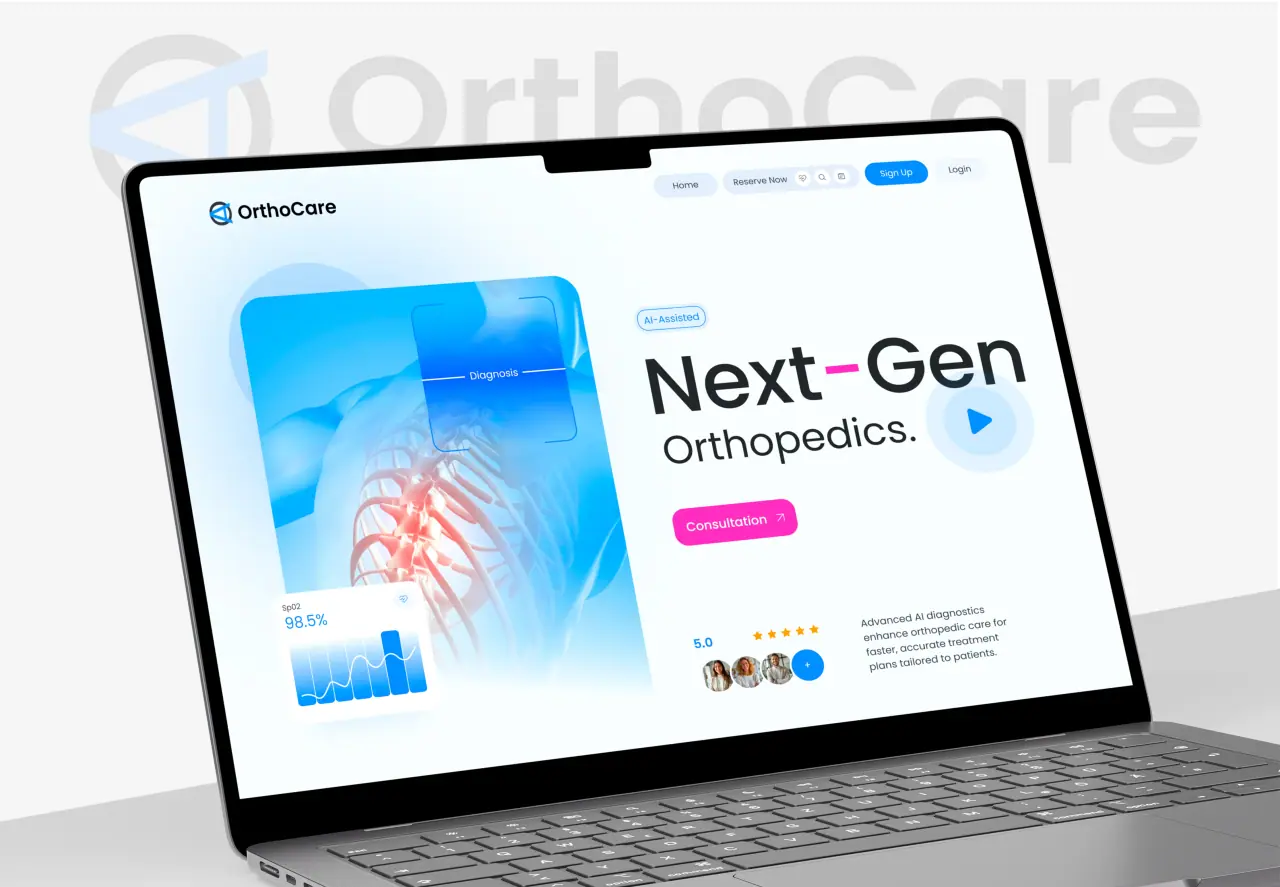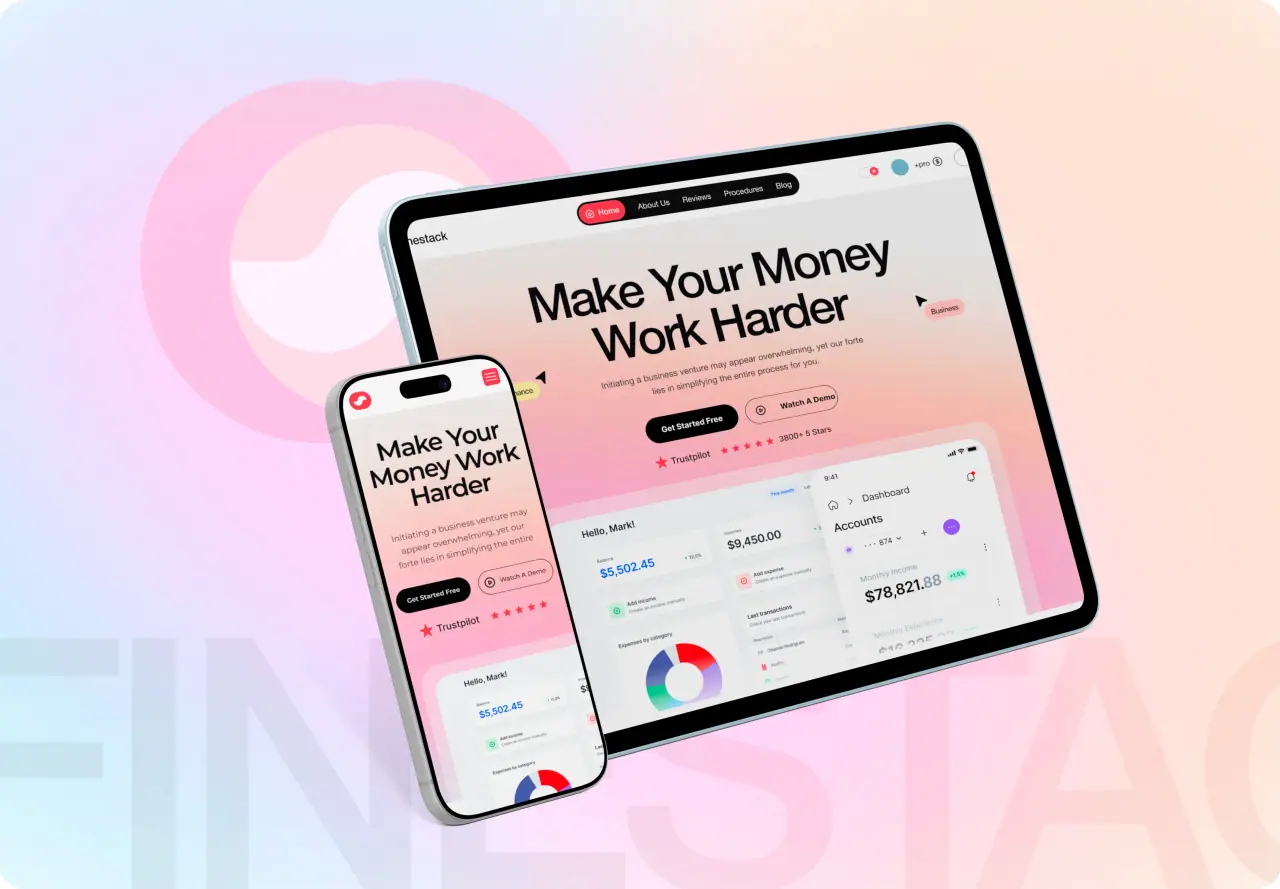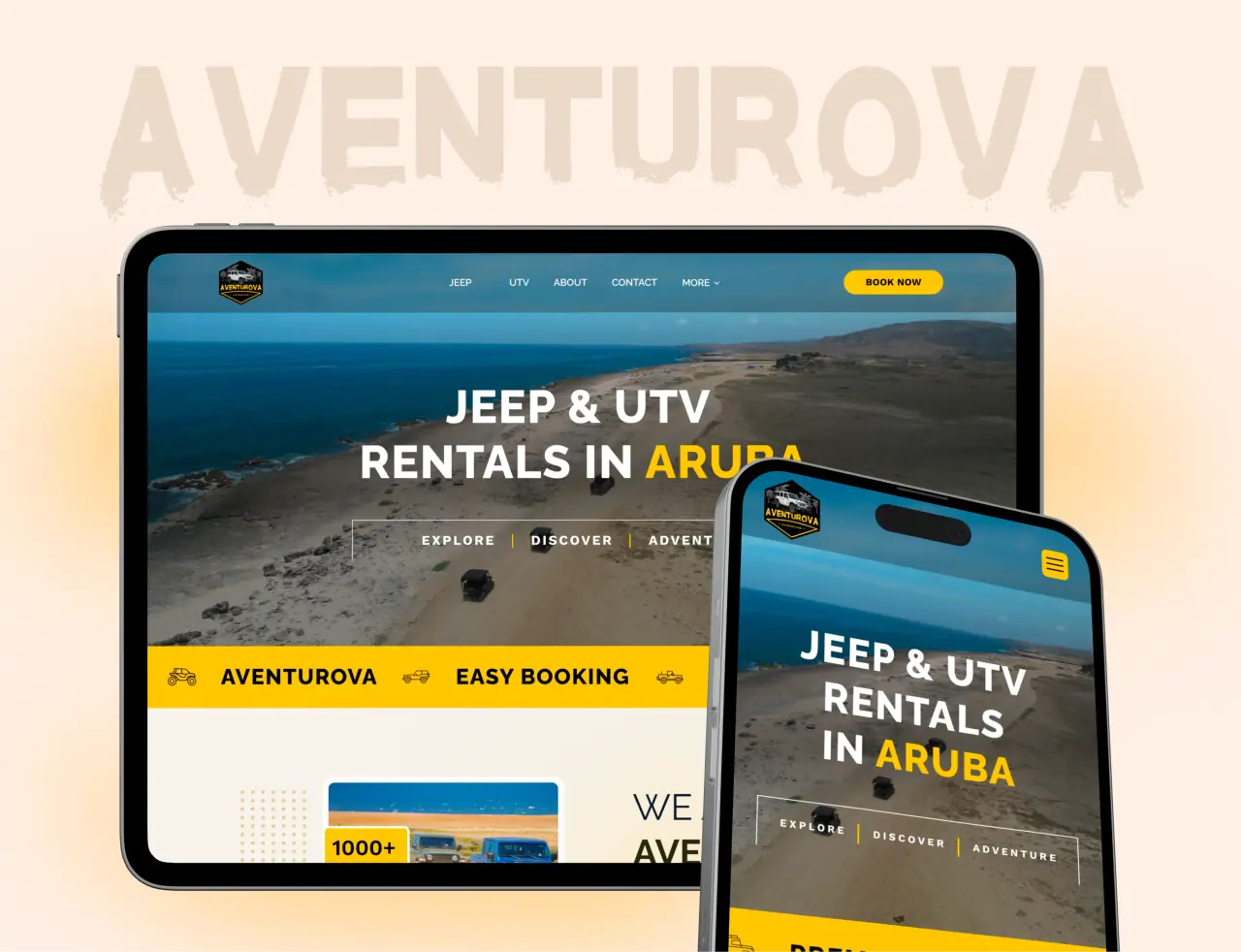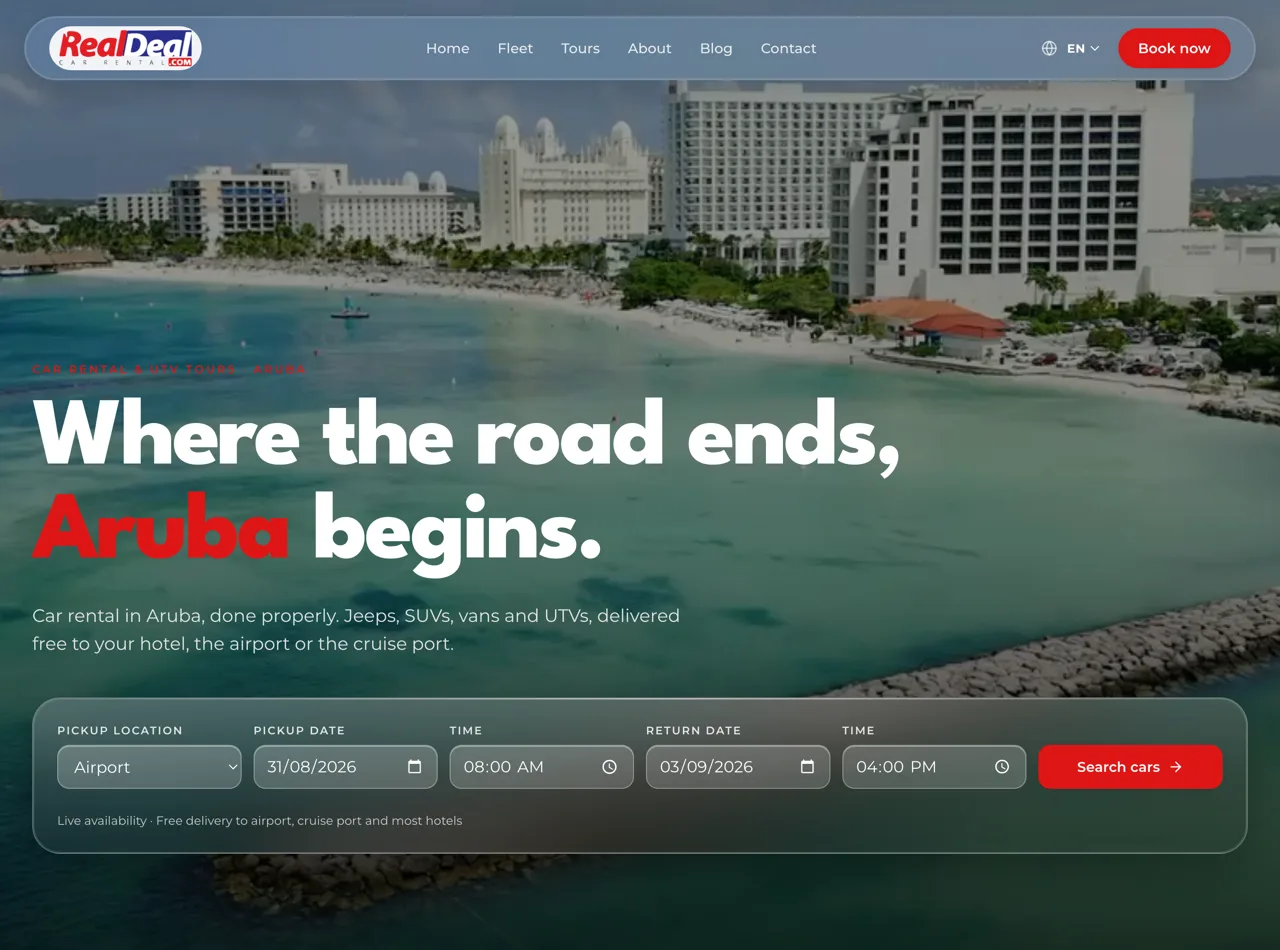





A common mistake is hiring one company to design your product and another to build it. It sounds reasonable, but the gap between them is where quality, time, and money leak away. Here is why one team for both wins.
Key takeaways
- Splitting design and build creates a costly handoff gap.
- One team keeps the vision intact from concept to launch.
- You get one accountable partner, not finger-pointing.
- Design-and-build is usually faster and higher quality.
The Problem With Splitting Them
When one company designs and hands files to another to build, a lot gets lost in translation. The design intent — spacing, states, interactions, the reasoning behind choices — lives partly in the designer’s head, and the separate build team fills the gaps with guesses. The result drifts from the design.
Worse, when something goes wrong, the two vendors blame each other. You end up in the middle, mediating, with no one truly responsible for the final product. The handoff becomes your problem to manage.
- Design intent gets lost in the handoff
- The build drifts from the design
- Vendors blame each other when issues arise
One Team Keeps the Vision Intact
When the same team designs and builds, there is no lossy handoff. The people who made the design decisions are the ones implementing them, so the product ships as intended — the polish survives, the interactions are right, and edge cases are handled the way the designer imagined.
Design and engineering also inform each other in real time. Designers understand what is feasible; engineers understand the intent. That constant dialogue produces better decisions than a one-way handoff ever could.
- No lossy handoff
- The product ships as intended
- Design and engineering inform each other
One Accountable Partner
With one team, there is one point of responsibility for the whole outcome. If something needs fixing, there is no debate about whose fault it is — the same partner owns the design and the build and simply makes it right. That accountability is a huge practical relief.
It also simplifies your life: one contract, one point of contact, one team that understands the whole picture. You spend your energy on your business, not on refereeing between vendors.
- One owner of the whole outcome
- No blame games
- One contract, one point of contact
Usually Faster and Better
One team is usually faster because there is no waiting on a formal handoff, no re-explaining intent, no rework from misunderstandings. Design and build can overlap and iterate together, compressing the timeline and catching issues earlier.
And it is usually higher quality, because nothing is lost between design and code and problems are solved by people who see the whole picture. Fewer seams means a more coherent, polished product.
- No handoff delays or re-explaining
- Design and build iterate together
- Fewer seams, more coherent product
How NeoDimensional Does Both
NeoDimensional is a US-based UI/UX design and software development agency, founded by Guljar Hosen. We design and build under one roof, so your product ships exactly as designed, on one timeline, with one accountable team — no handoff, no finger-pointing.
If you are tired of coordinating separate design and dev vendors, one team is the fix. Book a call and we will talk through your project.
- Design and build under one roof
- Ships as designed, one accountable team
- No handoff, no finger-pointing