




A due-diligence checklist for vetting a software development agency before you sign: what to verify yourself, what to ask for in writing, and how to test the relationship with a small first milestone before committing the whole budget.
Key takeaways
- Verify, do not trust: use something the agency shipped, and speak to a client it did not choose for you.
- Read the contract before the portfolio: IP, code ownership, payment milestones and exit terms.
- Meet the people who will do the work, not only the people who sell it.
- Start with a paid first milestone and judge the relationship on it.
Verify the work yourself
Portfolios are curated and screenshots prove little. Ask for products that are live and use them: sign up, book something, break something. You learn more from ten minutes inside a real product than from an hour of case-study slides.
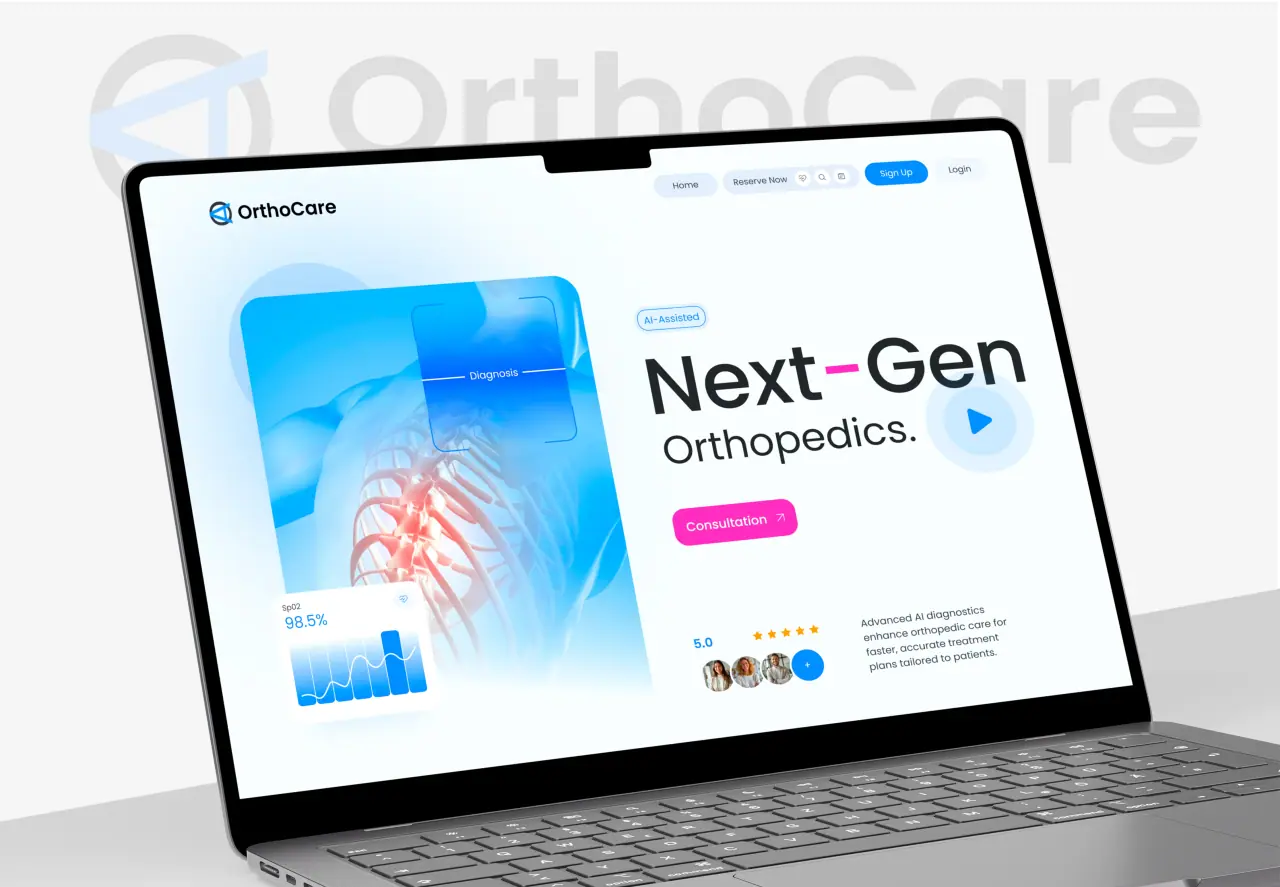
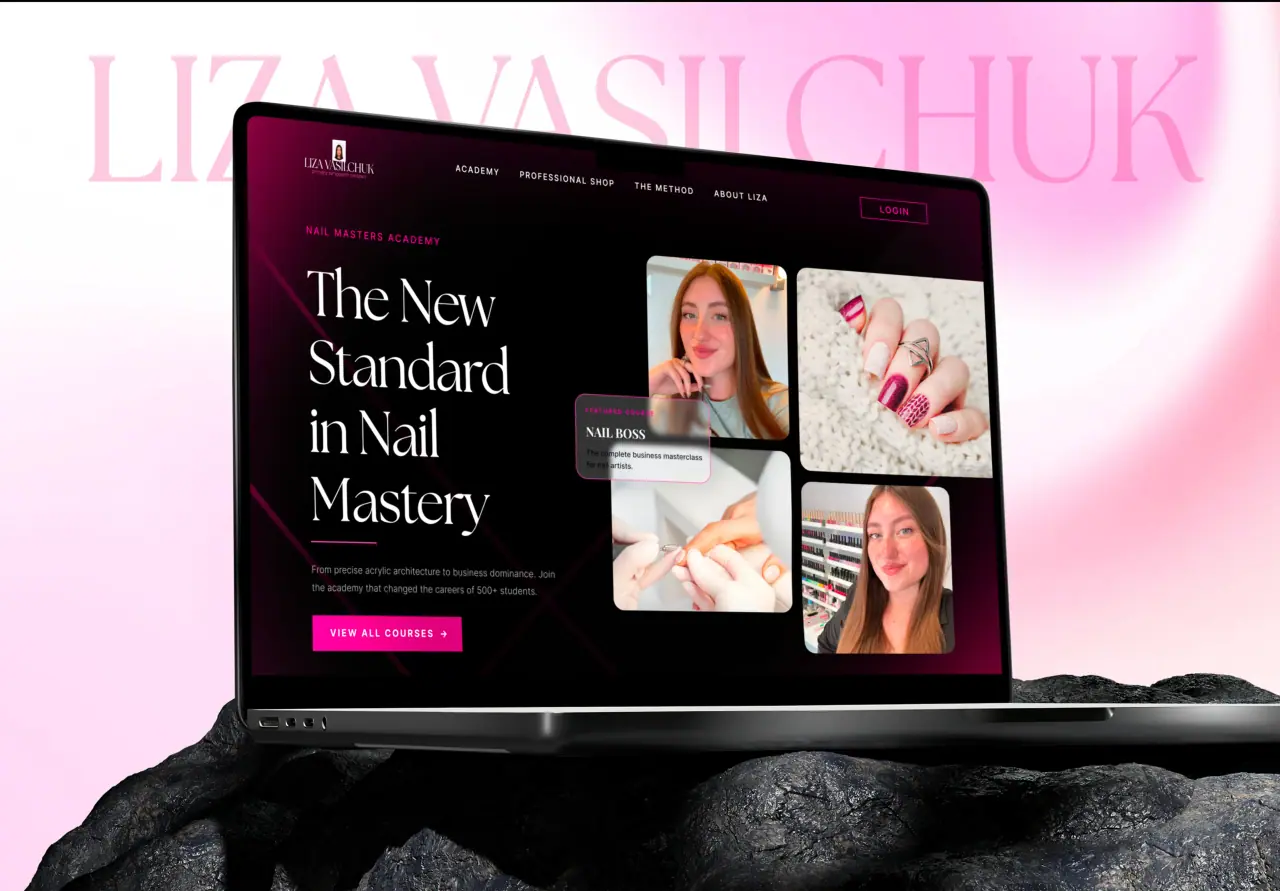
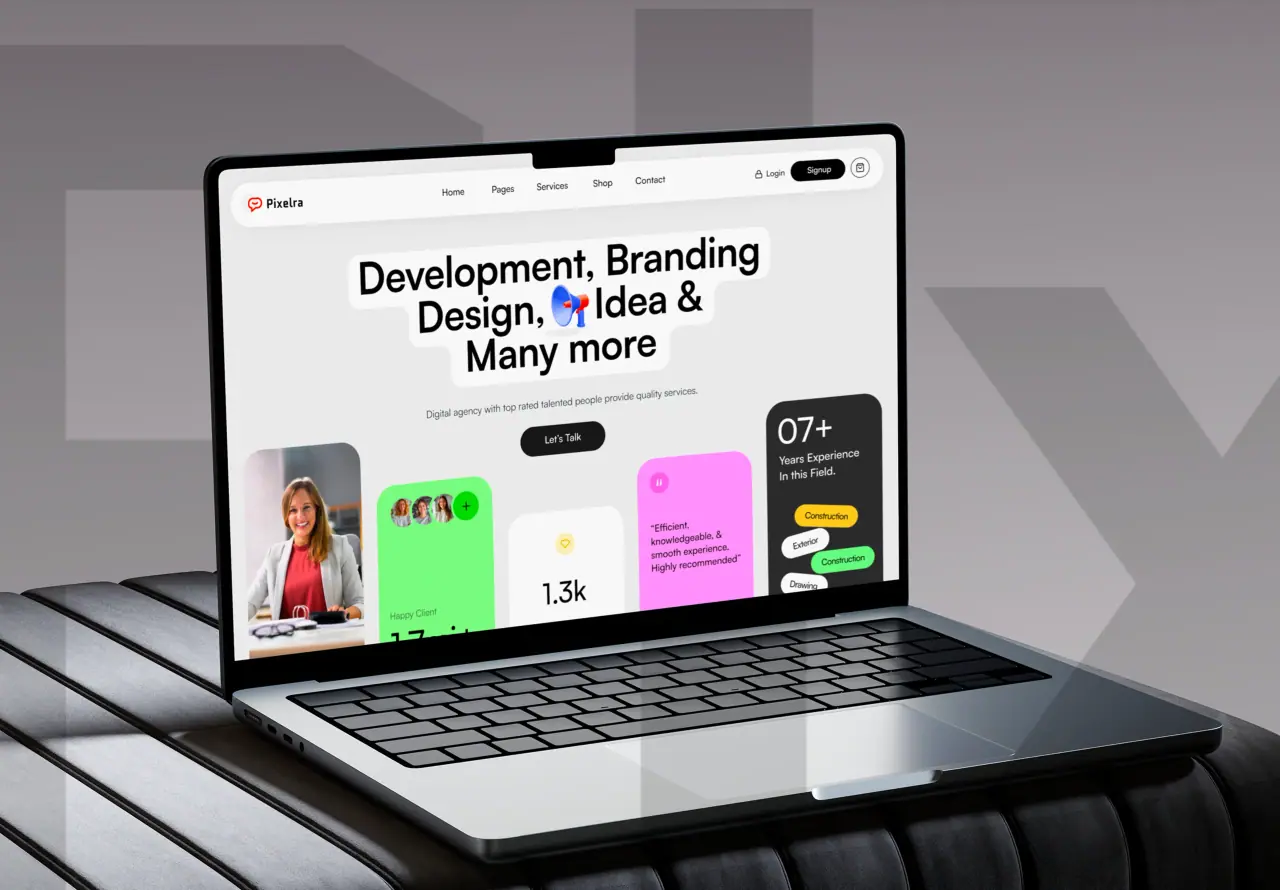
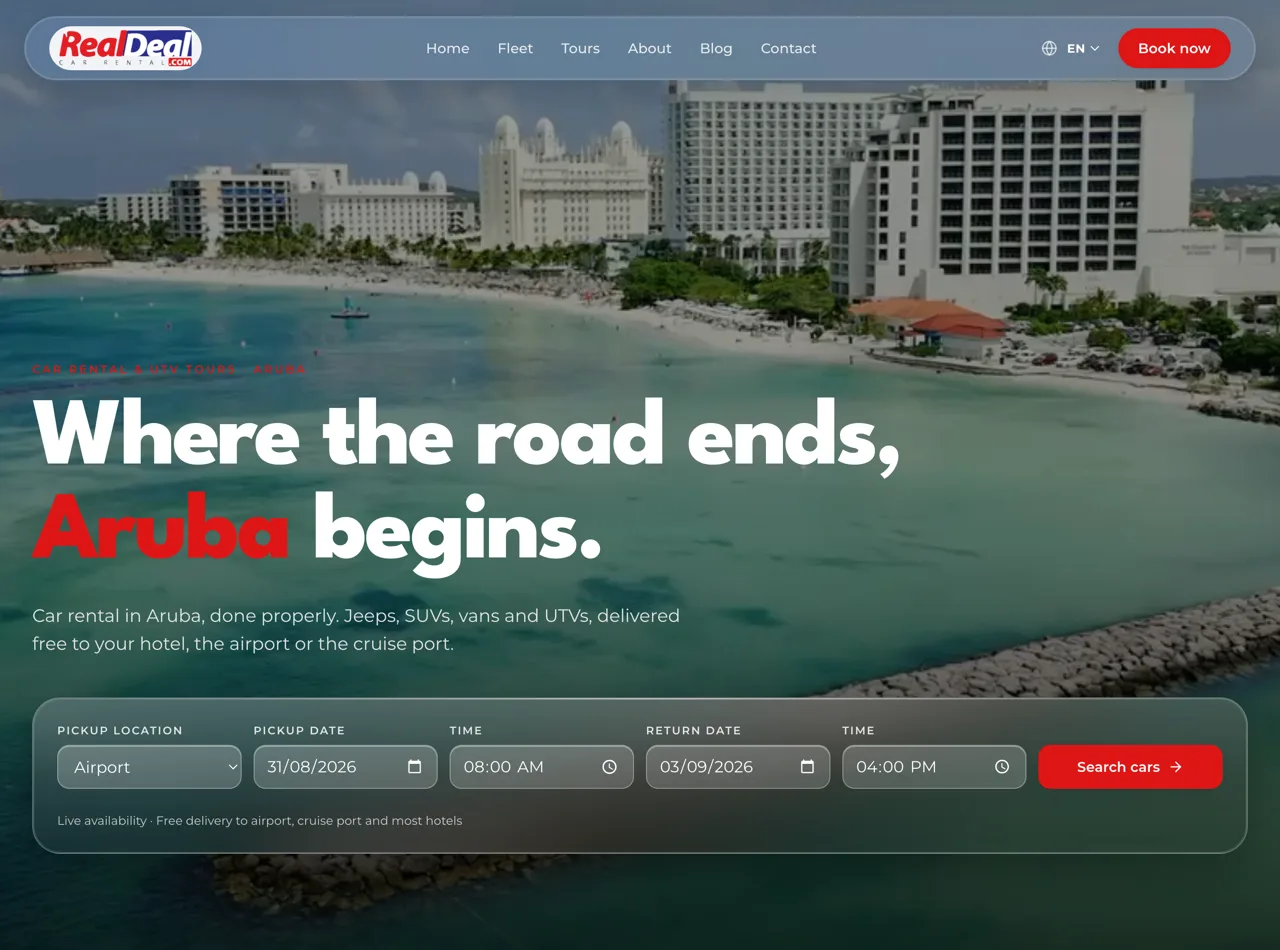
Then look underneath. Check that the site is fast on your phone, that forms work, that the product still runs today and not just on launch day. Our own two booking platforms in Aruba are live for anyone to try, and a verified 5.0 review sits on Clutch; that is the kind of evidence to ask any agency for.
- Live products you can use yourself
- Speed and reliability on your own phone
- Independent reviews, such as Clutch
- Products still running, not just launched
Talk to references the right way
The agency will give you its happiest client. Ask that client specific questions: what went wrong and how was it handled, how accurate was the original estimate, how quickly did they answer after launch, would you hire them again for something harder?
If you can, find a second reference yourself, for example a company from the agency's portfolio it did not put forward. How an agency handled a difficult project tells you more than how it handled an easy one.
Related: what to ask a SaaS development company.
Read the contract before the portfolio
The contract decides what happens when something goes wrong, so read it first. It should assign all intellectual property to you, keep the code in your own repository from day one, tie payments to delivered milestones, and say what happens if either side wants to stop.
Check which country's law governs the contract and where a dispute would be heard. A US contract under US law is simple to enforce; many foreign contracts are not.
- IP assigned to you in writing
- Code in your repository from day one
- Payments tied to delivered milestones
- Clear exit terms for both sides
- Governing law you can enforce
Meet the people who will do the work
Many agencies sell with senior people and deliver with junior ones. Ask who will design and build your product, meet them before you sign, and ask what else they are working on at the same time.
Look for one team that owns the outcome end to end. Every handoff, from sales to design to development to a separate support team, is a place where context gets lost and your project waits.
Related: fixed prices, published up front.
Test the process, not just the pitch
Ask how the agency would run your project week by week. Good answers include something you can review every week, a sign-off at the end of each phase, a named decision-maker on both sides, and a written record of what was decided.
Ask how they handle a change of scope midway. The honest answer is that changes are priced and agreed before they are built, and nothing is added silently.
Judge the communication during the sale
How an agency behaves while it is trying to win your work is the best it will ever behave. Notice how quickly it replies, whether it answers the question you asked, whether the proposal reflects what you said in the first call, and whether anyone pushes back on an idea that will not work.
Pushback is a good sign. An agency that agrees with everything is either not listening or planning to sort it out later, at your expense.
- Reply times during the sale
- Answers to the question you actually asked
- A proposal that reflects your first call
- Honest pushback on weak ideas
A simple scorecard
Score each agency on the same five questions and the choice usually becomes obvious. Anything under three on the contract or the evidence rows is a reason to walk away, however good the price looks.
| Question | What a good answer looks like | Score 1 to 5 |
|---|---|---|
| Can I use something you shipped? | A live product, today | _ |
| Who owns the code and IP? | You, in writing, from day one | _ |
| Who does the work? | Named people you have met | _ |
| How do you handle scope changes? | Priced and agreed before building | _ |
| What happens after launch? | Defined fixes period and support | _ |
Start with a paid first milestone
Before committing the whole budget, commission a small first piece: a discovery phase with a data model, or a working first milestone. You learn how the agency communicates, how accurate its estimates are and how it responds to feedback, at a fraction of the risk.
Our projects are structured this way by default: a fixed price in writing, sign-off at the end of each phase before the next begins, payment of 30% to start, 40% at review and 30% at launch, and 30 days of fixes after launch.
Why a US entity matters
If you are a US business, contracting with a US company keeps disputes, payments and tax simple: a contract under US law, invoices in USD, and a counterparty you can reach through US courts if you ever need to. Plenty of agencies work with offshore talent; what matters is who you sign with.
NeoDimensional LLC is registered in Albuquerque, New Mexico, and runs a second studio in Sylhet. You sign with the US company, and the team has daily overlap with every US time zone.