




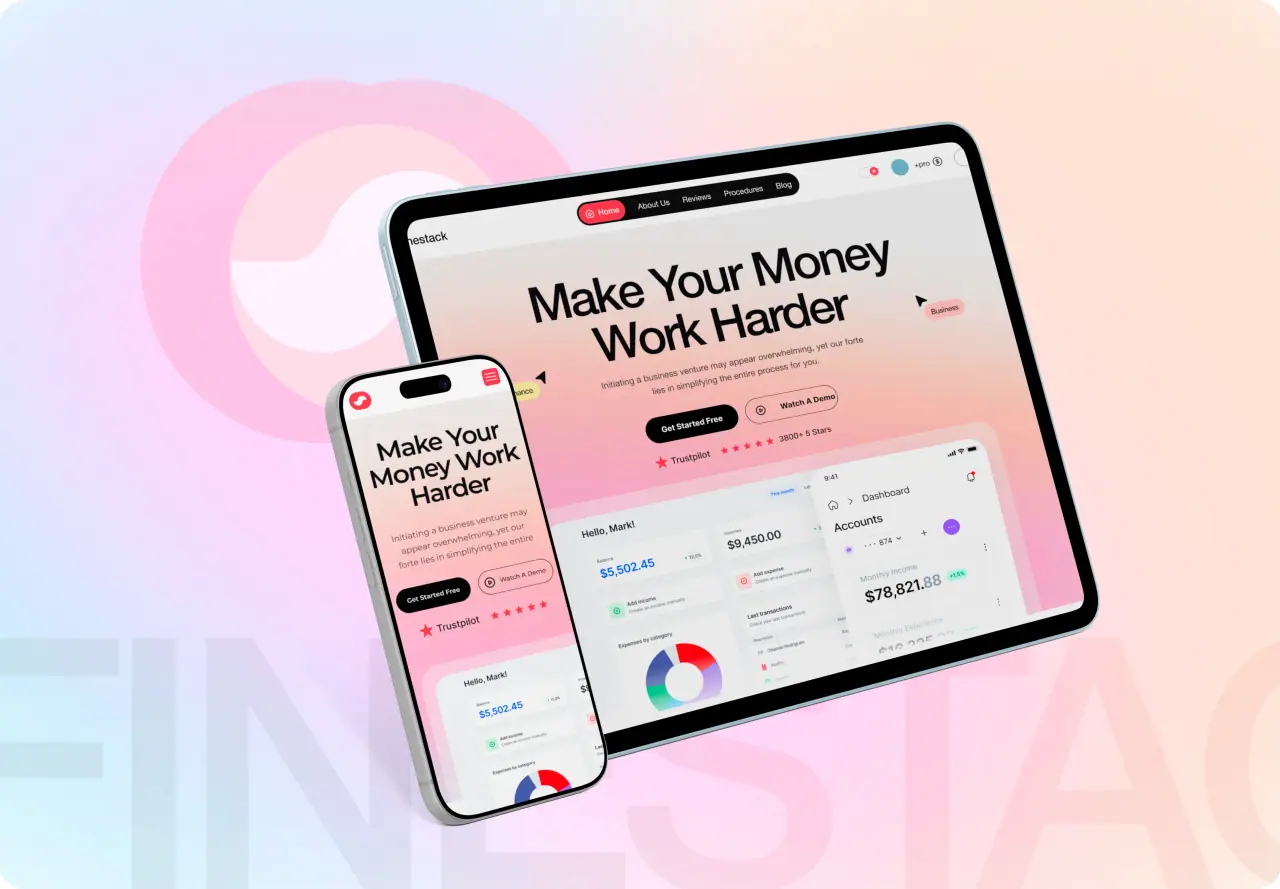
Should you buy a ready-made tool or build your own? It is one of the most important software decisions a business makes, and getting it wrong is costly either way. Here is a clear framework for choosing custom software vs off-the-shelf.
Key takeaways
- Off-the-shelf is faster and cheaper for standard needs.
- Custom fits exactly and can be a real advantage.
- Consider fit, control, cost, and how special your needs are.
- Sometimes the answer is a mix of both.
The Case for Off-the-Shelf
Off-the-shelf software — ready-made products you subscribe to — is fast to adopt, relatively cheap, proven by many other users, and maintained by the vendor. For common, standardized needs (email, accounting, basic CRM), it is usually the smart choice: someone has already solved the problem well.
Its limits are fit and control. You get what everyone gets, you adapt your process to it, and you depend on the vendor’s roadmap and pricing. For standard needs those trade-offs are fine; for special ones they become friction.
- Fast, cheaper, proven, vendor-maintained
- Great for standard, common needs
- Limited fit and control
The Case for Custom
Custom software fits your needs exactly and can do things no product offers — which is powerful when your process is unusual, when software is part of your competitive edge, or when you have outgrown the tools available. You own it, control it, and shape it to your business.
The cost is a bigger up-front investment and the responsibility of maintaining it. But for the right problem, custom delivers efficiency, capability, and advantage that off-the-shelf simply cannot match.
- Exact fit and unique capability
- Ownership and control
- Higher investment, real advantage
A Framework for Deciding
Work through a few questions. Is there a proven off-the-shelf tool that already does the job well? How special are your needs really? Is this software a differentiator or just a utility? What is the total cost — including working around a tool’s gaps, or building and maintaining a custom one?
The honest answers usually point clearly one way. Standard need, good tool exists, not a differentiator → off-the-shelf. Special need, no good fit, part of your edge → custom. Beware building custom for problems already solved cheaply.
- Does a good tool already exist?
- Are your needs truly special?
- Compare total cost, not sticker price
Why the Answer Is Often a Mix
In practice, most businesses use both: off-the-shelf tools for standard functions (email, accounting, payments) and custom software for the parts that are unique to them or give them an edge. You do not have to build everything or buy everything.
The smart approach is deliberate: buy the commodity, build the differentiator. Use proven products where the problem is solved, and invest in custom only where it genuinely moves your business.
- Most businesses use both
- Buy the commodity, build the differentiator
- Invest custom where it moves the needle

How NeoDimensional Advises
NeoDimensional is a US-based software development agency, founded by Guljar Hosen. We will tell you honestly when an off-the-shelf tool is the smarter buy and when custom is worth it — and when custom is the right call, we design and build it to fit your business exactly.
If you are weighing build vs buy, an honest outside perspective helps. Book a call and we will work through it with you.
- Honest build-vs-buy advice
- Custom built to fit exactly
- An outside perspective