




No-code tools promise to build software without engineers, and for the right projects they deliver. But they are not magic, and choosing wrong can mean an expensive rebuild. Here is how to decide between no-code and custom development.
Key takeaways
- No-code is fast and affordable for simpler, standard needs.
- Custom development offers unlimited flexibility and scale.
- No-code can hit ceilings as complexity grows.
- Choosing for your real needs avoids a costly rebuild.
What No-Code Is Good For
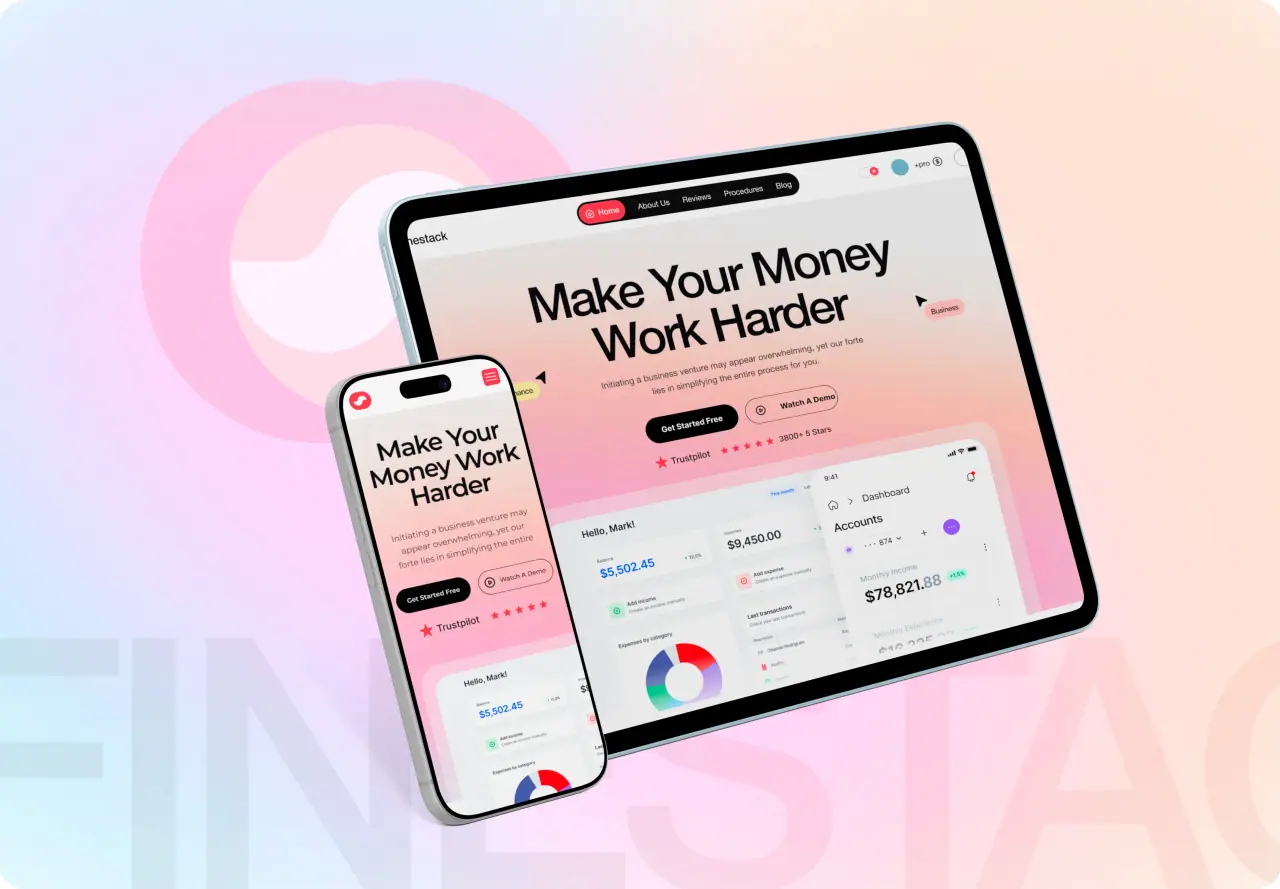
No-code tools (like Webflow, Framer, and app builders) let you build real, working products by configuring visual tools instead of writing code. For marketing sites, simple apps, internal tools, and MVPs with standard needs, they are fast, affordable, and genuinely capable.
Their superpower is speed to launch. If your needs fit what the tool does well, no-code can get you a working product in a fraction of the time and cost of custom development — which is a huge advantage for validating an idea or launching quickly.
- Marketing sites, simple apps, internal tools, MVPs
- Fast and affordable for standard needs
- Great for launching and validating quickly
What Custom Development Offers
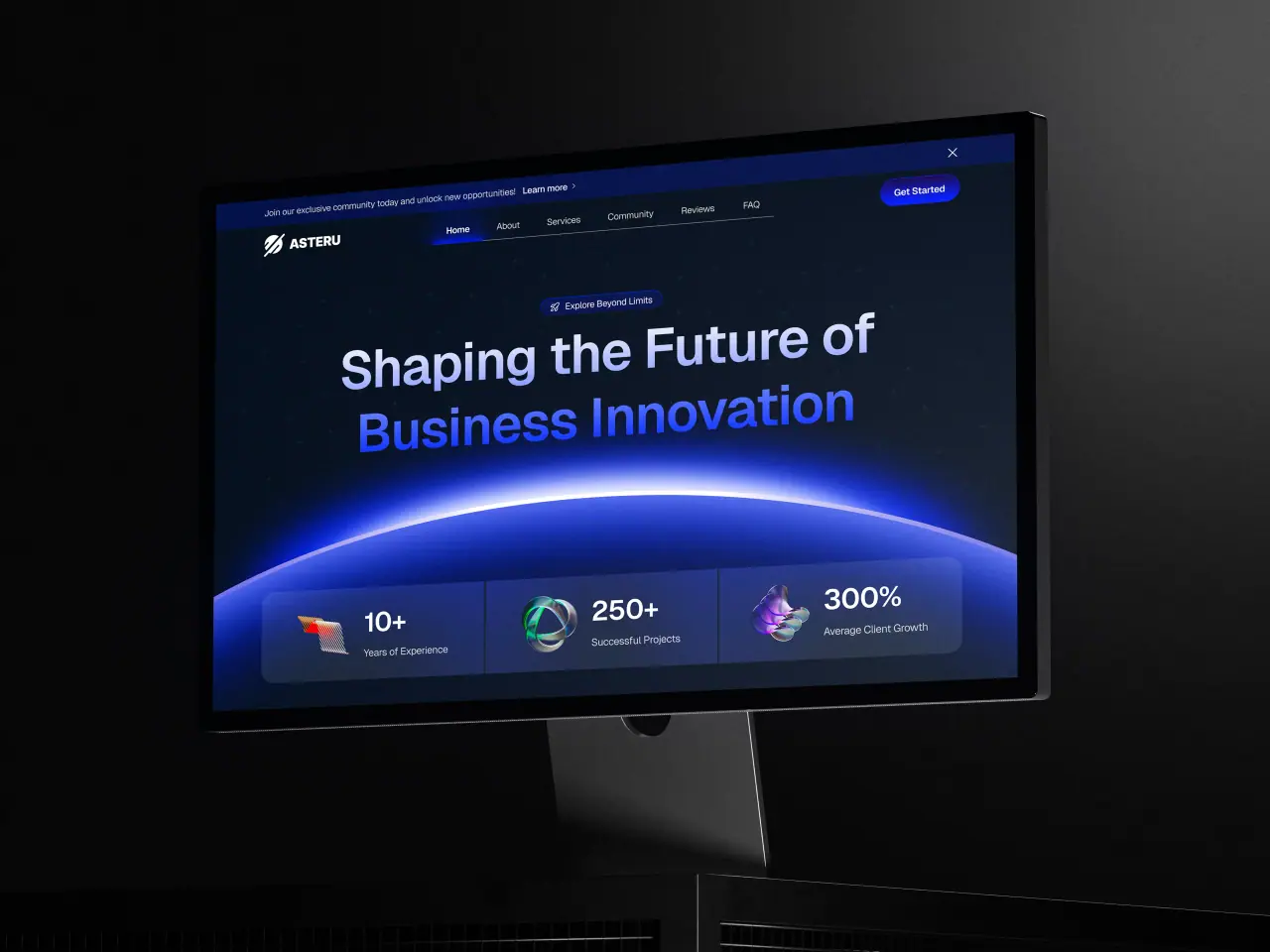
Custom development means building with code, which offers unlimited flexibility. Anything you can imagine can be built exactly to your needs — complex logic, custom integrations, unique user experiences, and architecture designed to scale. Nothing is off-limits because you are not confined to a tool’s features.
That flexibility is why serious products, complex applications, and anything with demanding or unusual requirements are built custom. It costs more up front, but it removes the ceilings that no-code eventually imposes on ambitious products.
- Unlimited flexibility, built exactly to needs
- Complex logic, integrations, and scale
- Right for serious, ambitious products
Where No-Code Hits Ceilings
No-code tools are bounded by their features. As a product grows more complex — unusual logic, deep integrations, heavy data, performance demands, or scale — you can hit a wall where the tool simply cannot do what you need, or does it awkwardly and expensively. That is the ceiling.
The painful scenario is building an ambitious product on no-code, gaining traction, then discovering you must rebuild it custom to go further. Anticipating whether you will hit that ceiling is the key to choosing well.
- Bounded by the tool’s features
- Complexity and scale expose the ceiling
- A rebuild is the painful worst case
How to Choose
If your needs are relatively standard and you value speed and low cost — a marketing site, a simple tool, an MVP to validate — no-code is often the smart, pragmatic choice. If your product’s value lies in complex or unique functionality that must scale, custom development is the right foundation from the start.
Crucially, judge by where the product is going, not just where it begins. A no-code MVP is great to validate; if the destination clearly needs custom, plan for that transition rather than being surprised by it.
- Standard needs and speed: no-code
- Complex, scaling functionality: custom
- Judge by the destination, not the start
How NeoDimensional Advises
NeoDimensional is a US-based design and software development agency, founded by Guljar Hosen. Because we build both no-code and fully custom, we recommend whatever genuinely fits your project and stage — sometimes a fast no-code launch, sometimes a custom foundation, sometimes a no-code MVP with a custom path planned.
If you are weighing no-code against custom, we will give you honest, experienced advice and build the right thing. Book a call to talk it through.
- We build both, so advice is unbiased
- The right approach for your stage
- Fast launch or scalable foundation