




A progressive web app promises the best of both worlds — the reach of the web and the feel of a native app. But what is a PWA really, and when does it make sense? Here is a clear explanation.
Key takeaways
- A PWA is a website that behaves like an app.
- It can be installed, work offline, and send notifications.
- It avoids app stores while feeling app-like.
- It is a strong middle ground between web and native.
What a PWA Is
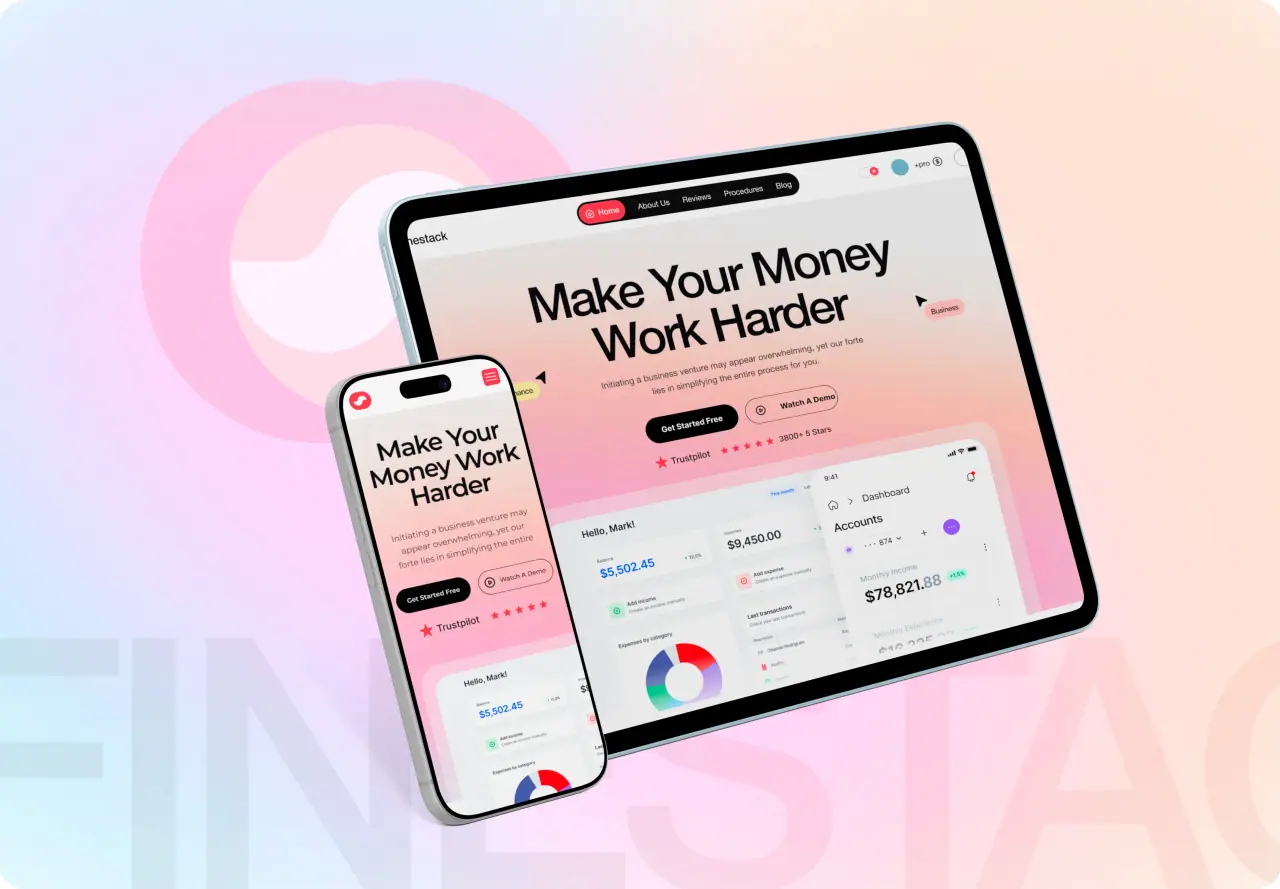
A progressive web app is a website built with modern web technology so that it behaves like a native app. Users can add it to their home screen, launch it full-screen without a browser bar, use it offline, and receive push notifications — all from a web app, no app store required.
In other words, it is one product, delivered through the web, that feels much like an installed app. It bridges the gap between a normal website and a native mobile app, taking advantages from both.
- A website that behaves like an app
- Installable, offline-capable, notifications
- No app store required
The Benefits
PWAs are appealing because one build reaches everyone — any device with a browser — while still feeling app-like. You avoid building and maintaining separate iOS and Android apps, skip the app store approval process and fees, and users can start using it instantly from a link.
They also update instantly (no app store review), are discoverable and linkable like any website, and work across platforms from a single codebase. For many businesses, that reach and efficiency are compelling.
- One build reaches every device
- No app stores, instant updates
- Linkable and discoverable like the web
The Limitations
PWAs cannot do everything native apps can. They have more limited access to certain device features, and support for some capabilities varies by platform. For apps that need deep device integration or maximum performance, a native app may still be the better choice.
App store presence is another consideration: some users expect to find apps in the store, and a PWA is not there by default. Whether that matters depends on your audience and how they discover and trust apps.
- Less access to some device features
- Support varies by platform
- Not in app stores by default
When to Use a PWA
A PWA is a great choice when you want app-like experience and reach without the cost of separate native apps — content apps, tools, dashboards, and many customer-facing products fit well. It is especially attractive for reaching users across devices efficiently and for fast iteration.
Choose native instead when you need deep device integration, the highest performance, or a strong app store presence. For a large share of products, though, a PWA delivers most of the benefit of native at a fraction of the cost and complexity.
- App-like reach without separate native apps
- Content apps, tools, dashboards
- Native for deep integration or top performance
How NeoDimensional Builds PWAs
NeoDimensional is a US-based UI/UX design and software development agency, founded by Guljar Hosen. We design and build progressive web apps that feel great and reach everyone — and we will tell you honestly when a PWA is the smart choice versus when native is worth it.
If you want app-like reach without the cost of separate native apps, a PWA may be perfect. Book a call and we will assess your project.
- PWAs that feel great and reach everyone
- Honest PWA-vs-native advice
- Designed and built end to end