





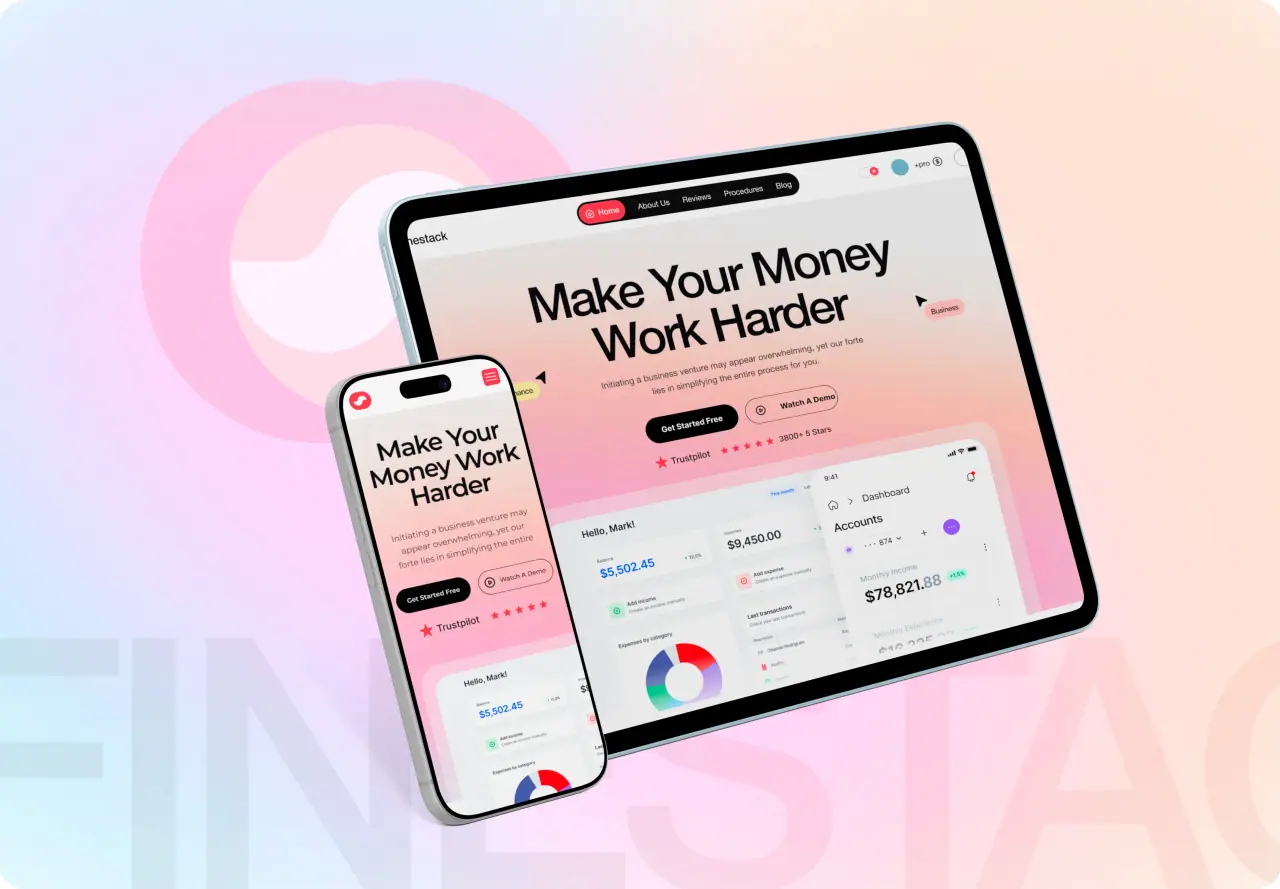
In fintech, users are trusting you with their money — so design has to earn confidence at every step. Fintech UI/UX design is where clarity, trust, and compliance meet. Here is what makes it different and how to get it right.
Key takeaways
- Fintech design must earn trust, not just look modern.
- Clarity with complex data prevents costly user errors.
- Security and compliance shape the experience.
- The best fintech partners balance usability with rigor.
Why Trust Is the Core of Fintech Design
People approach financial products with caution, and rightly so. In fintech, design has a job most products do not: to earn trust visibly. Professional visual design, transparent language, clear confirmations, and predictable behavior all signal that the product is safe to rely on.
A single confusing moment — an unclear balance, a surprising fee, a transaction that seems to vanish — can break that trust instantly. Fintech design is, at its heart, the ongoing work of removing doubt.
- Financial products must earn trust visibly
- Transparency and clear confirmations matter
- One confusing moment can break confidence
Designing Clarity Into Complex Data
Fintech products are full of numbers, statuses, and history. The design challenge is making dense data legible — clear hierarchy, sensible defaults, honest charts, and interfaces that highlight what matters and hide what does not until it is needed.
Good fintech UX helps users make decisions with confidence: understanding their position, spotting problems, and taking action without misreading a figure. Clarity here is not aesthetic polish — it prevents expensive mistakes.
Related: fintech web app development.
- Make dense data legible and honest
- Highlight what matters, defer the rest
- Clarity prevents costly errors
Security, Compliance, and UX
Fintech carries real security and regulatory weight — authentication, verification, disclosures, and audit trails. The craft is meeting those requirements without turning the product into a maze. Good design makes security feel reassuring rather than annoying.
This is why fintech design and engineering have to work closely. Compliance and UX are not opposing forces; a well-designed verification or consent flow can be both compliant and smooth.
- Auth, verification, and disclosures done well
- Security should reassure, not frustrate
- Design and engineering work together
Choosing a Fintech Design Agency
Look for a partner who understands financial products, not just interfaces — who can talk about trust, data clarity, and compliance, and show work where those things mattered. Generic prettiness is not enough when money is on the line.
A partner who also builds, or works closely with engineers, is valuable in fintech, where the gap between a clean mockup and a secure, correct implementation is wide. You want design that survives that gap.
Related: how US UI/UX design agencies compare.
- Understands trust, data, and compliance
- Relevant, real fintech work
- Design that survives implementation
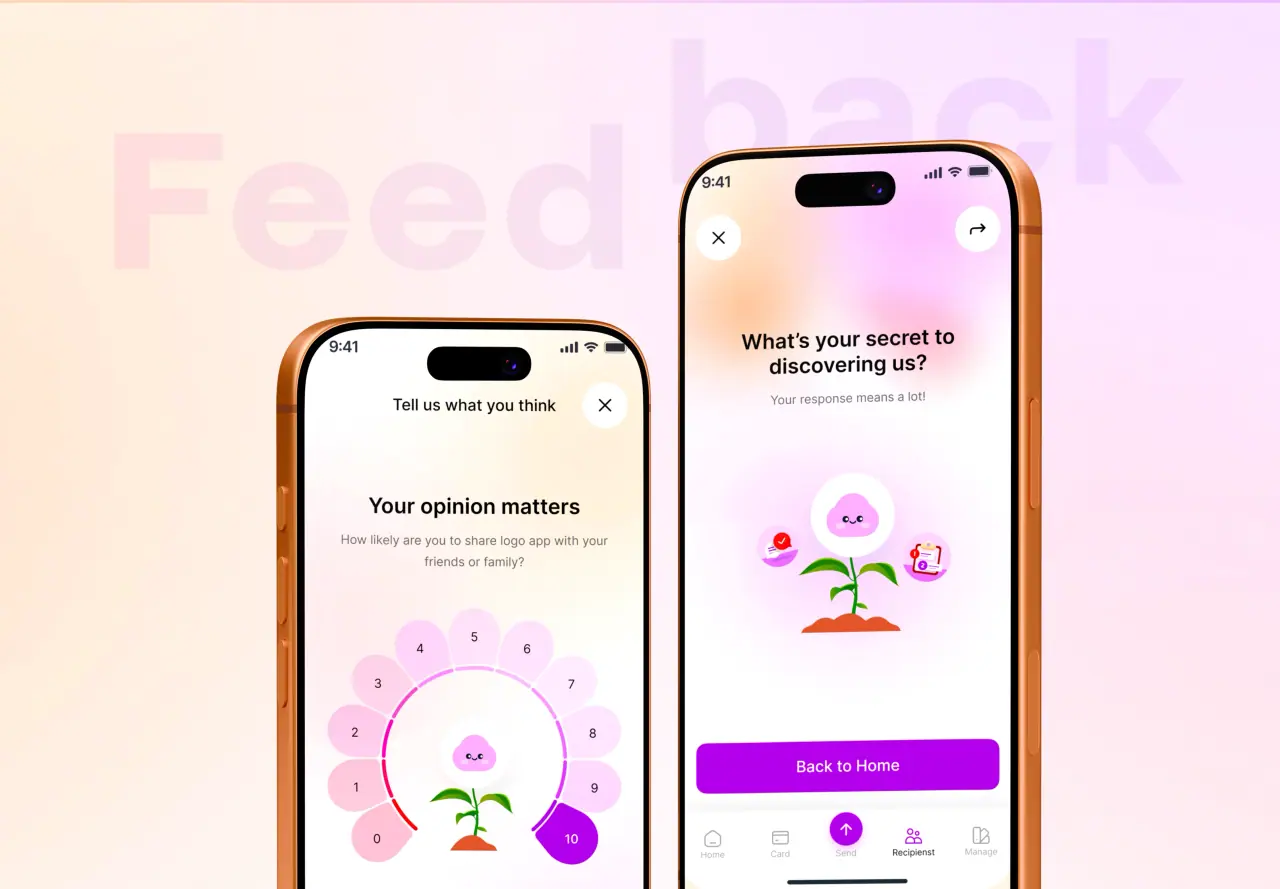
How NeoDimensional Designs Fintech Products
NeoDimensional is a US-based UI/UX design and software development agency, founded by Guljar Hosen. We design fintech products that earn trust — clear data, reassuring flows, and interfaces built with security and compliance in mind — and we build them too.
If you are designing a fintech product or fixing one users find confusing, we can help you get clarity and trust right. Book a call to talk through it.
- Trustworthy, clear fintech design
- Security and compliance considered
- Designed and built together