




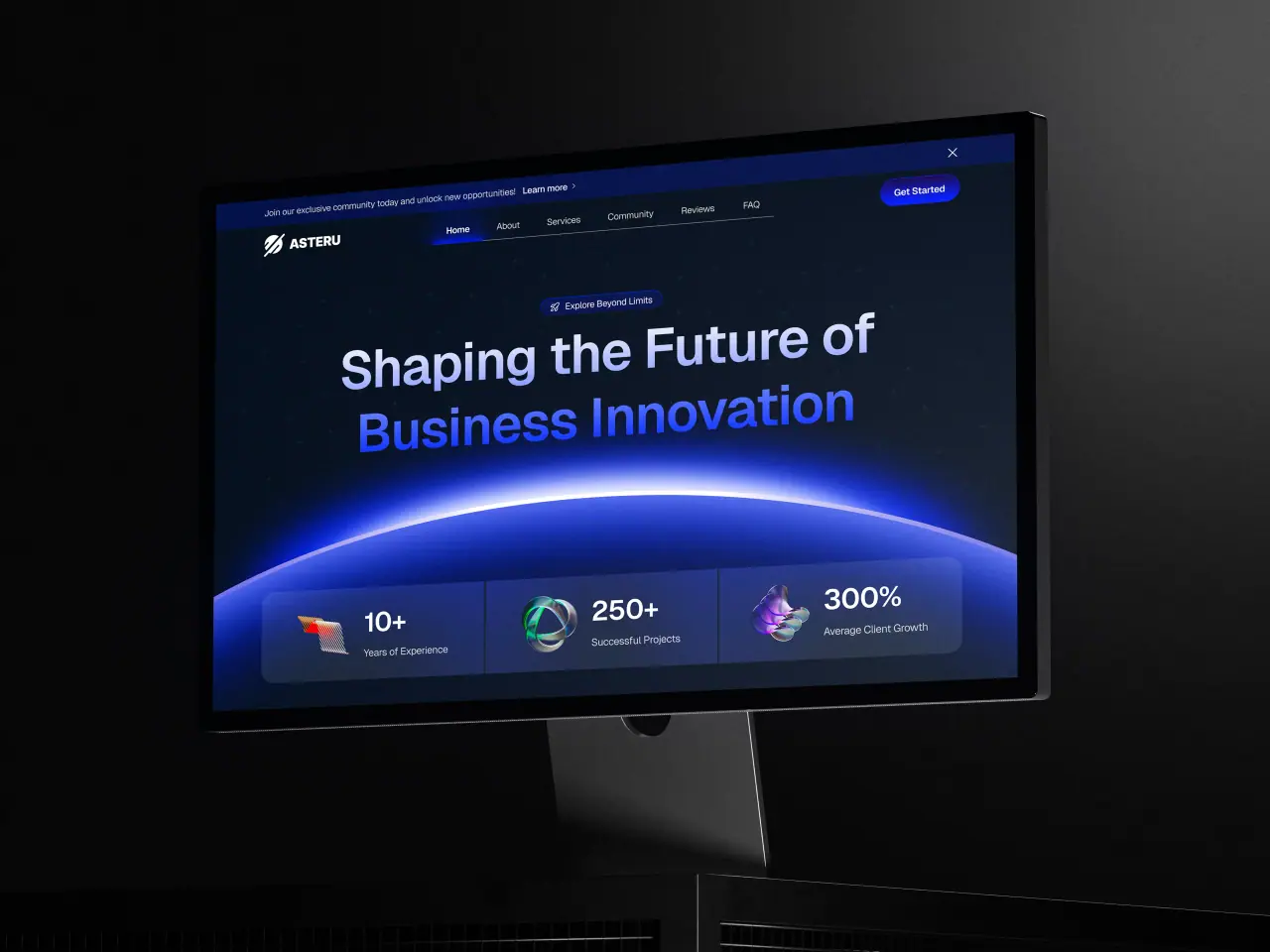
Many companies hire a design studio and a development shop separately — then spend months translating between them. A single team that designs and builds removes that gap, and it changes the quality of what you ship.
Key takeaways
- Splitting design and development creates a costly, risky handoff.
- One end-to-end team designs with feasibility in mind and builds with intent intact.
- Combined teams ship faster, with one point of accountability.
- You need a combined partner most when the product is your business.
The Hidden Cost of Splitting Design and Development
On paper, hiring a design agency and a development agency separately looks efficient — each is a specialist. In practice, the seam between them is where projects lose time and quality. Design intent gets misread, technical constraints surface too late, and you end up as the translator between two vendors.
That gap shows up as rework, missed details, timeline slips, and blame-shifting when something breaks. The more ambitious the product, the more expensive the seam becomes.
- Design intent gets lost in translation
- Feasibility problems are discovered late and cost more
- You become the middleman between two vendors
What Changes When One Team Owns Both
When designers and engineers sit in one team, design decisions are made with technical reality in mind and engineers understand the why behind every screen. The handoff becomes an internal conversation, not a contract boundary.
The result is a product that feels coherent — the polish of the design survives all the way into production, because the people who imagined it and the people who built it share the same goal and the same accountability.
Related: design-and-build agencies in the USA.
- Designs are technically feasible by construction
- Engineers build with the original intent intact
- One team, one goal, one point of accountability
An End-to-End Product Process
A combined team can run a single, continuous process: discovery and research, UX and interface design, then engineering and launch — with the same people carrying context the whole way through. Nothing is re-explained to a new vendor halfway.
This continuity is what lets an end-to-end team move quickly without cutting corners. Decisions made in research inform the build; lessons from the build feed back into the design.
- Research, design, and build share continuous context
- Fewer restarts and re-briefings across vendors
- Feedback loops between design and engineering
When You Need a Combined Partner
You need a combined design-and-development partner most when the product is central to your business: a SaaS platform, a customer-facing web app, a startup MVP, or a rebuild where design quality and engineering quality both matter and must line up.
If your need is genuinely narrow — a one-off logo, a small content edit — a specialist is fine. But when design and code have to work as one, one accountable team is the lower-risk choice.
- Best fit: SaaS, web apps, MVPs, and product rebuilds
- A specialist is fine for small, isolated tasks
- Choose combined when design and code must align
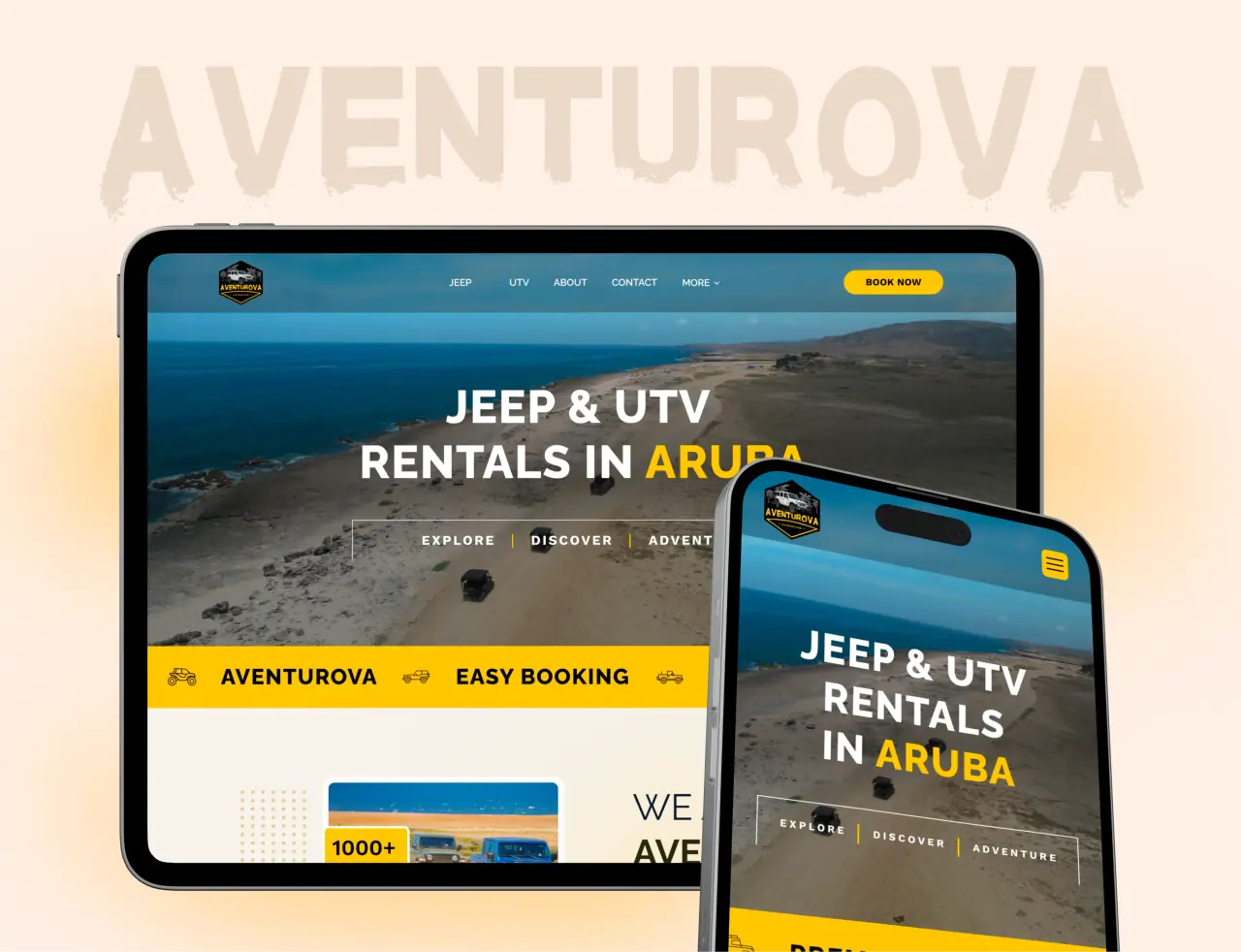
How NeoDimensional Delivers Design and Build
NeoDimensional is a US-based UI/UX design and software development agency, founded by Guljar Hosen. We design and build in one team, so the product you approve in Figma is the product that ships — fast, accessible, and engineered to scale.
From first strategy call to launch and beyond, the same team owns the outcome. If you are weighing whether to stitch together separate vendors, we can show you what end-to-end delivery looks like on your project.
- One team for UI/UX design and development
- The approved design is the product that ships
- Accountable from strategy through launch