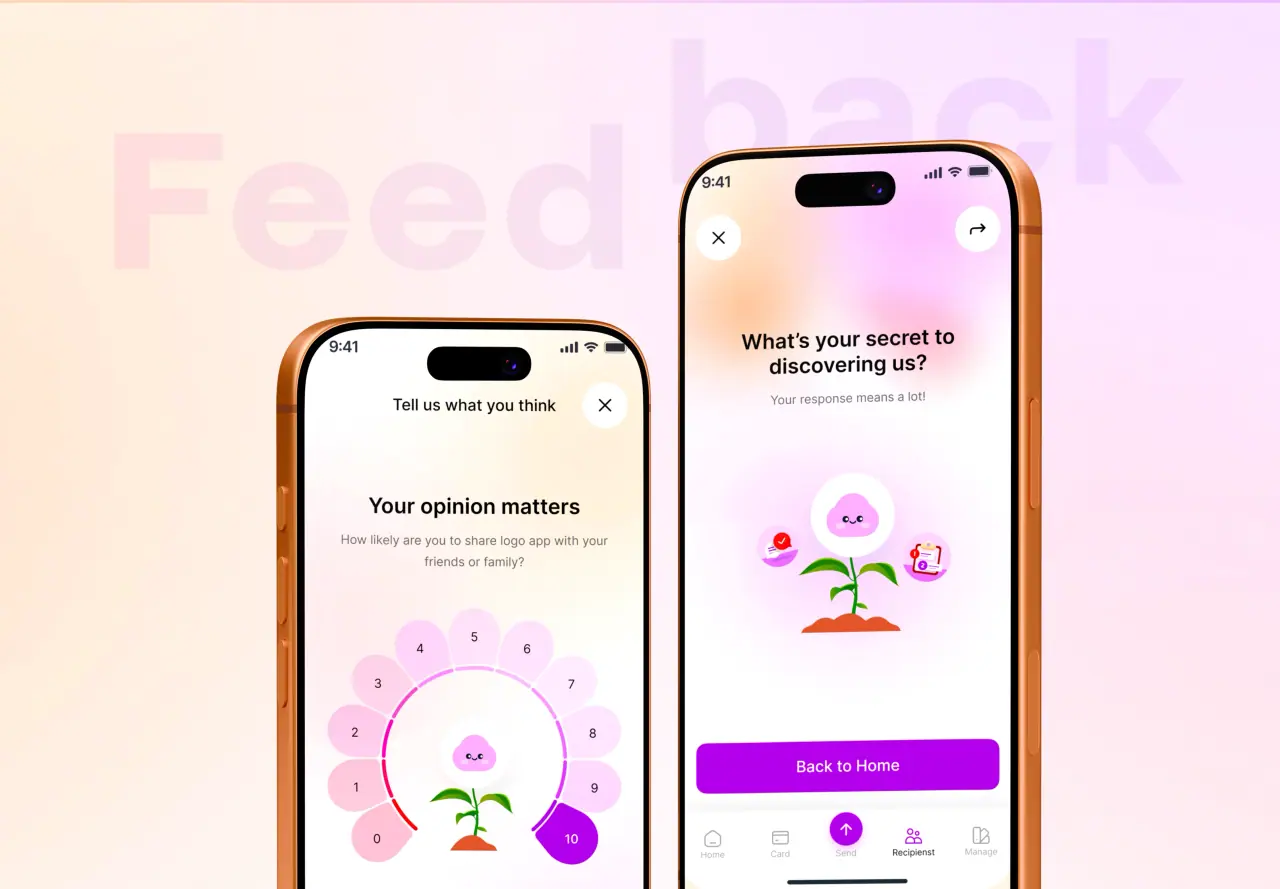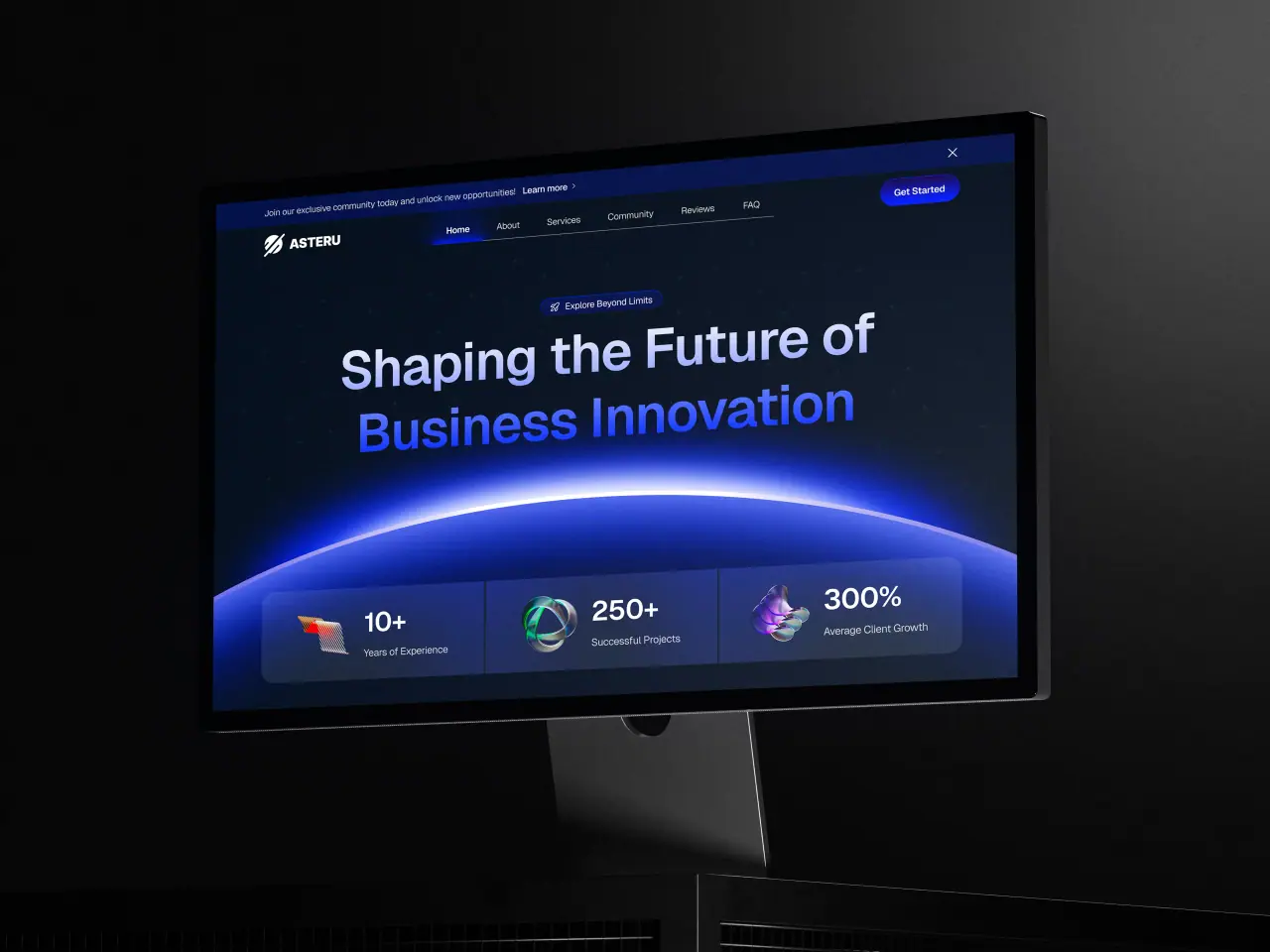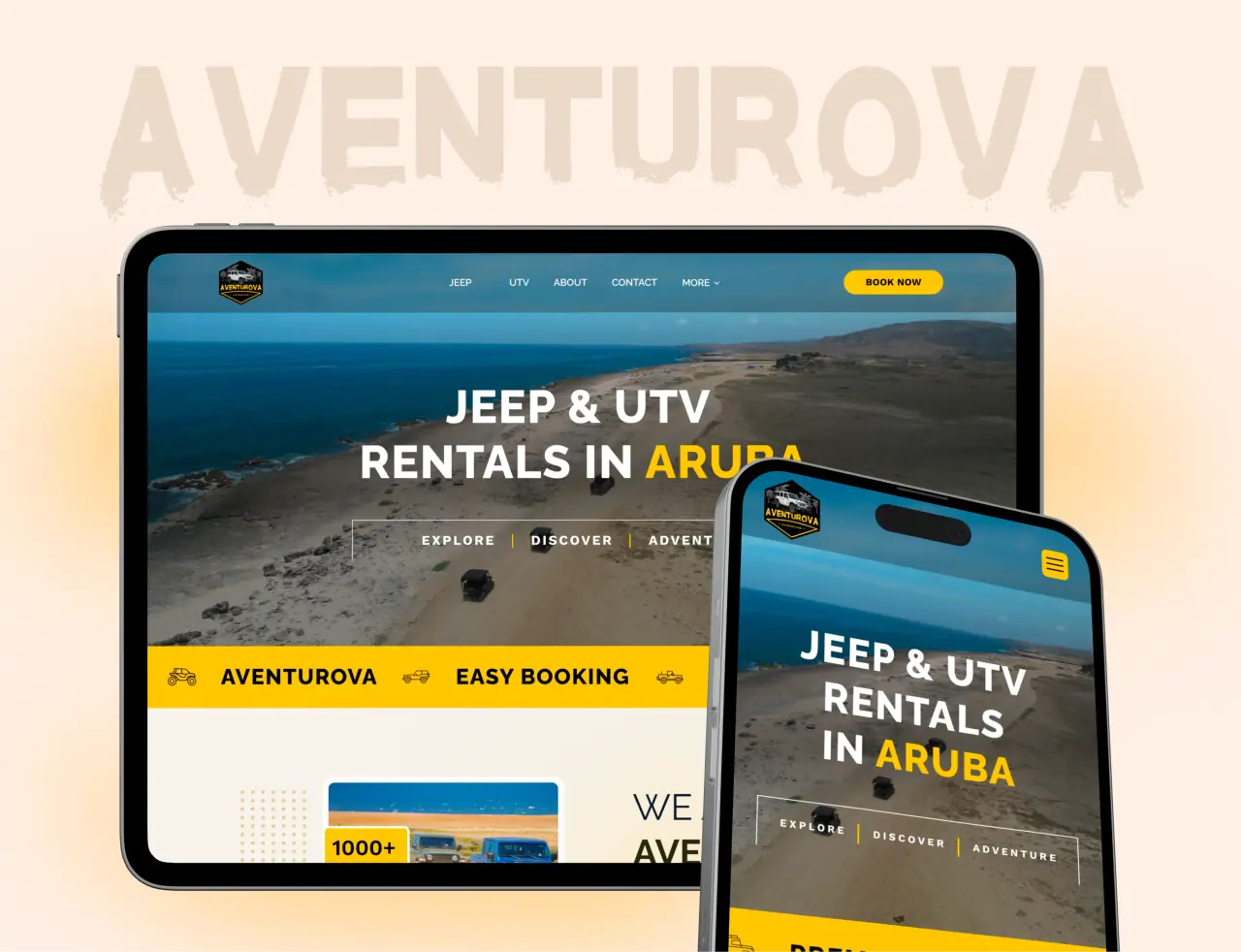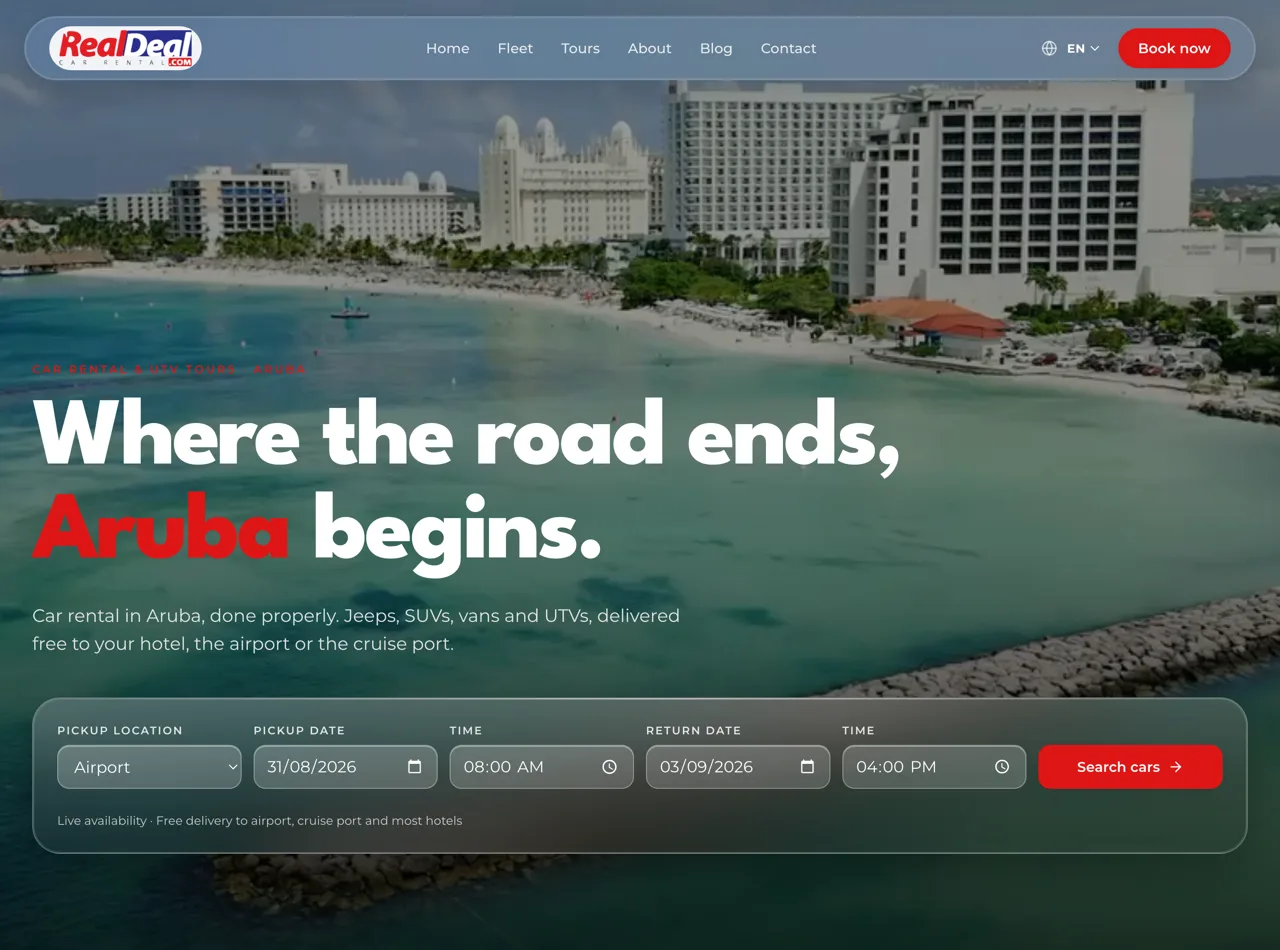





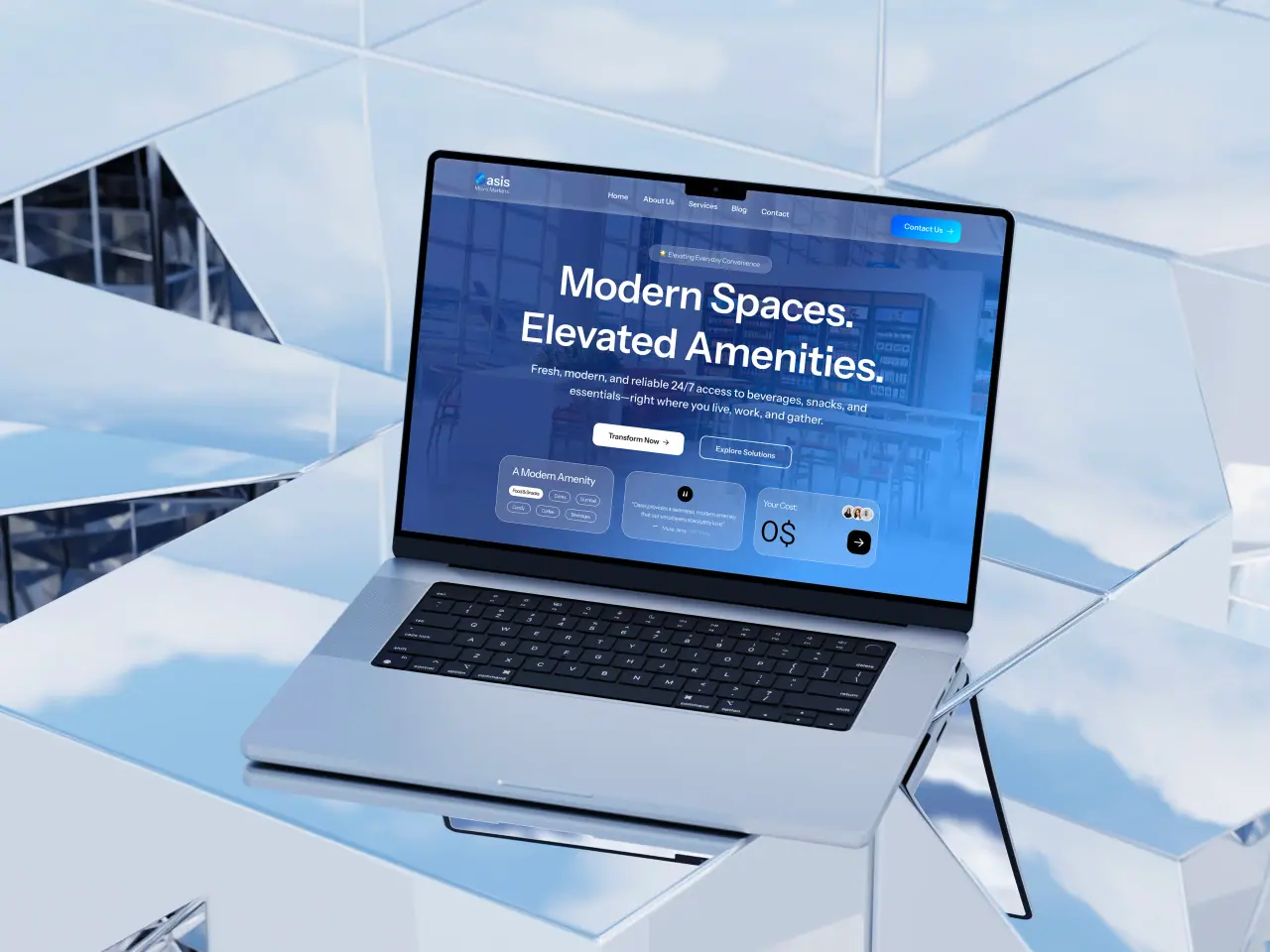
Design trends are only worth following when they improve the experience. In 2026, the trends that matter are the ones that make products clearer, faster, more inclusive, and more personal — not just prettier.
Key takeaways
- Adopt trends that improve clarity, speed, inclusivity, and personalization.
- AI-driven adaptive interfaces are the defining 2026 trend.
- Accessibility-first design widens your audience and supports SEO.
- Purposeful motion and bold minimalism aid comprehension, not decoration.
AI-Driven, Adaptive Interfaces
The biggest UI/UX shift in 2026 is interfaces that adapt to the user in real time — personalizing content, surfacing the next best action, and reducing the number of decisions a person has to make.
Done well, adaptive design increases engagement because the product feels tailored. The key is to keep it transparent and controllable so personalization feels helpful, not creepy.
- Personalized content and next-best-action prompts
- Fewer decisions, less friction for the user
- Transparent, controllable personalization
Accessibility-First Design
Accessibility is no longer optional. Designing for contrast, keyboard navigation, screen readers, and clear language widens your audience and reduces legal risk — and it happens to improve usability for everyone.
Accessibility also supports SEO: semantic structure, descriptive labels, and readable content help both assistive technology and search engines understand your pages.
- Contrast, keyboard access, and screen-reader support
- Clear language and semantic structure
- Better usability and SEO at the same time
Purposeful Motion and Micro-Interactions
Motion in 2026 is about meaning, not spectacle. Micro-interactions confirm actions, guide attention, and communicate state — helping users understand what just happened and what to do next.
The best motion is subtle and fast. Overdone animation slows the experience and hurts performance, so restraint is the trend that separates polished products from distracting ones.
- Micro-interactions that confirm and guide
- Motion that communicates state and next steps
- Subtle, fast, and performance-friendly
Bold, Content-First Minimalism
Minimalism in 2026 is confident, not empty. Strong typography, generous spacing, and a clear content hierarchy help users focus on what matters and move toward the action the business wants.
This content-first approach improves comprehension and conversion because it removes noise. Every element earns its place, and the interface guides the eye instead of competing for it.
- Strong typography and clear hierarchy
- Generous spacing that reduces cognitive load
- Content that leads users to action
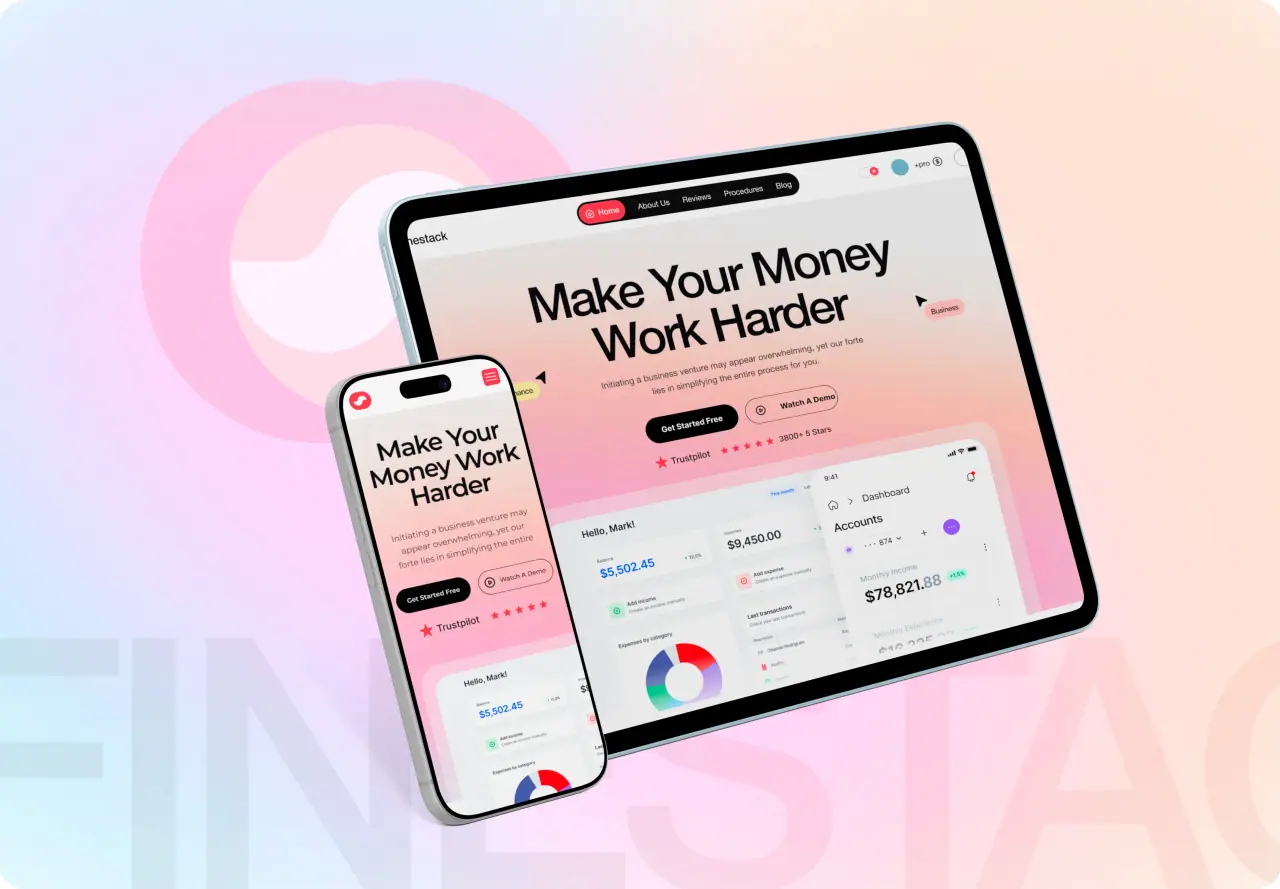
Designing for AI Search and Answer Engines
A newer trend blends UX and content strategy: designing pages so AI answer engines (Google AI Overviews, ChatGPT, Perplexity) can understand and cite them. That means clear question-based headings, concise answers, and structured data.
This is where design, content, and SEO meet. At NeoDimensional, we build products and marketing sites that are clear for people and legible to AI — which increasingly drives discovery.
- Question-based headings and concise answers
- Structured data and semantic markup
- Clear for people, legible to AI