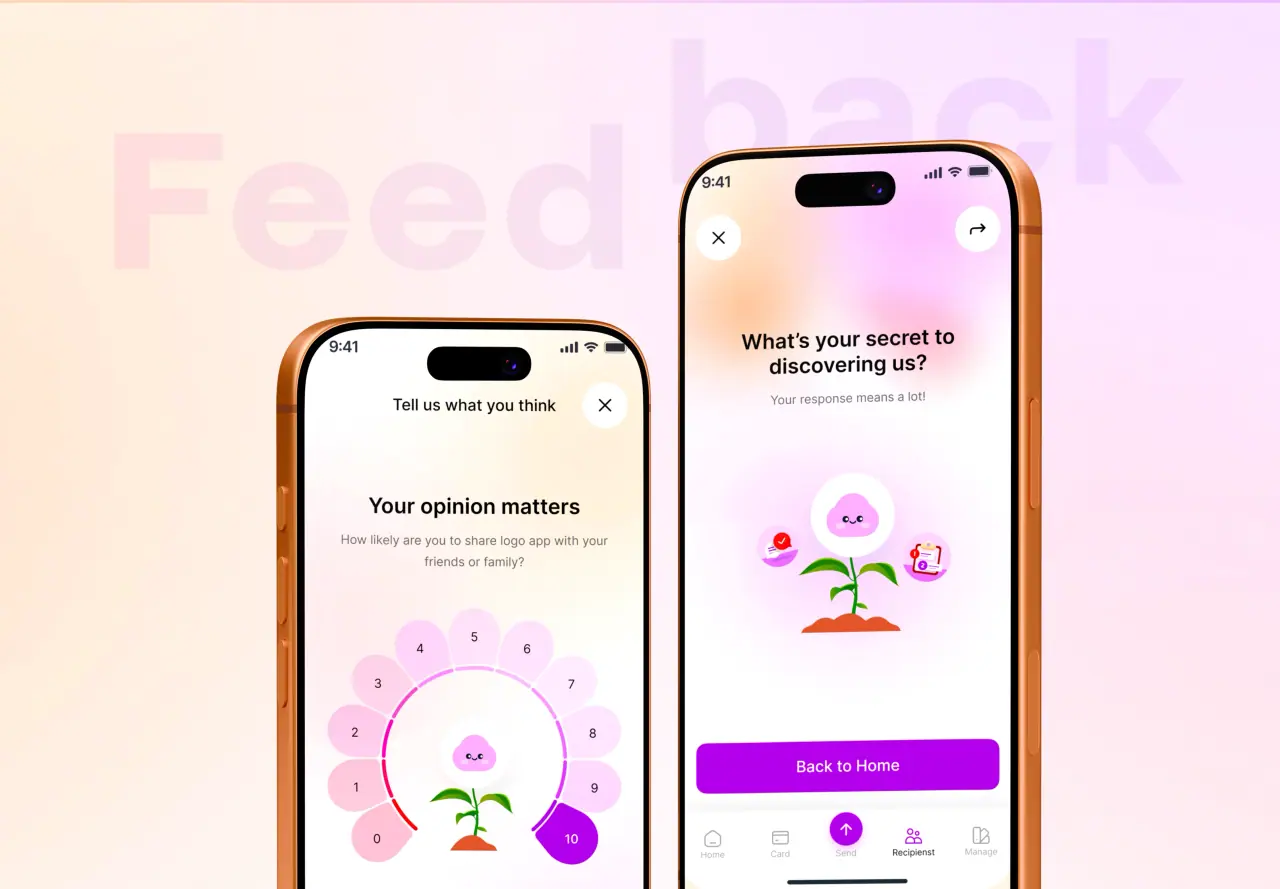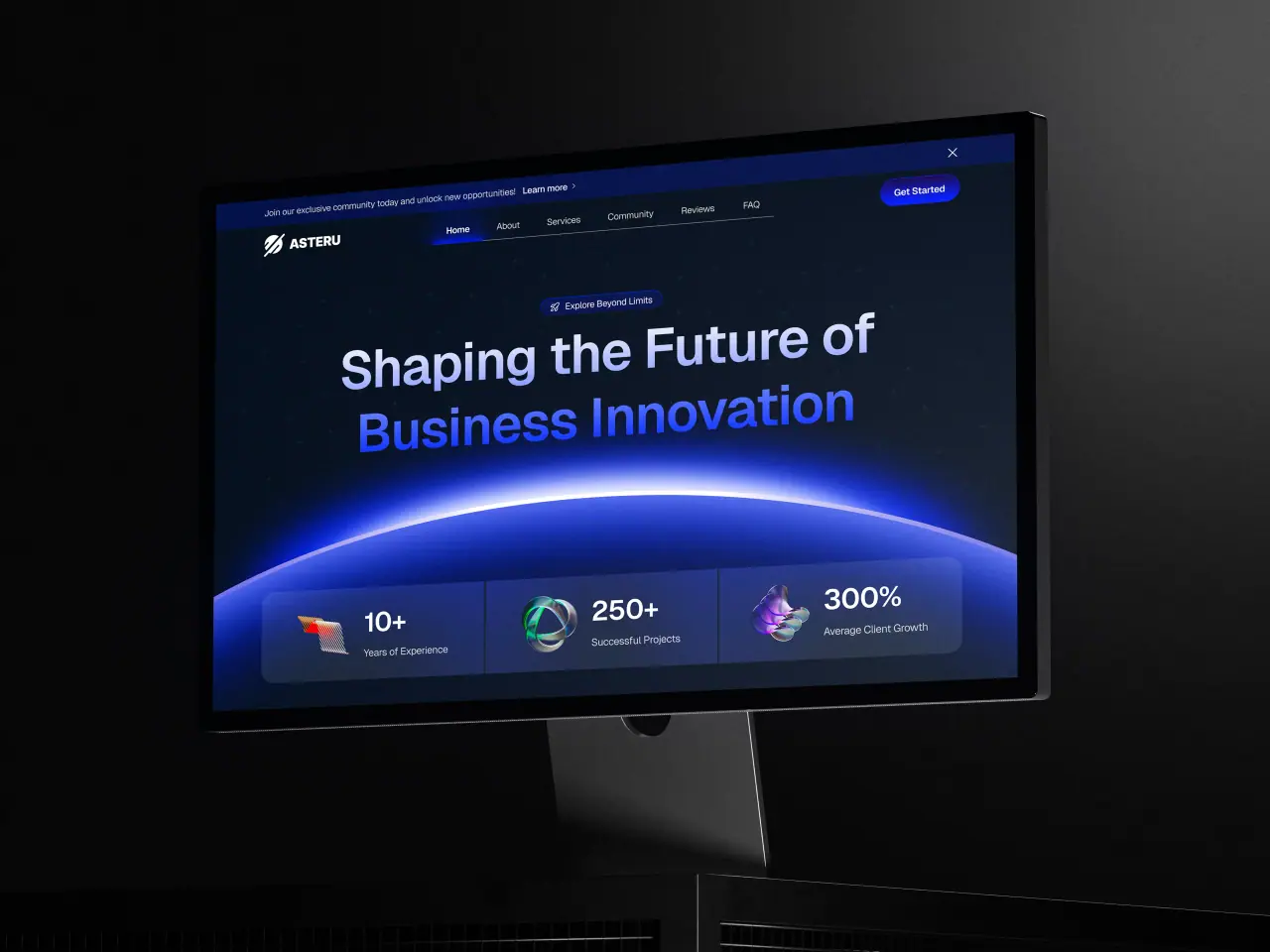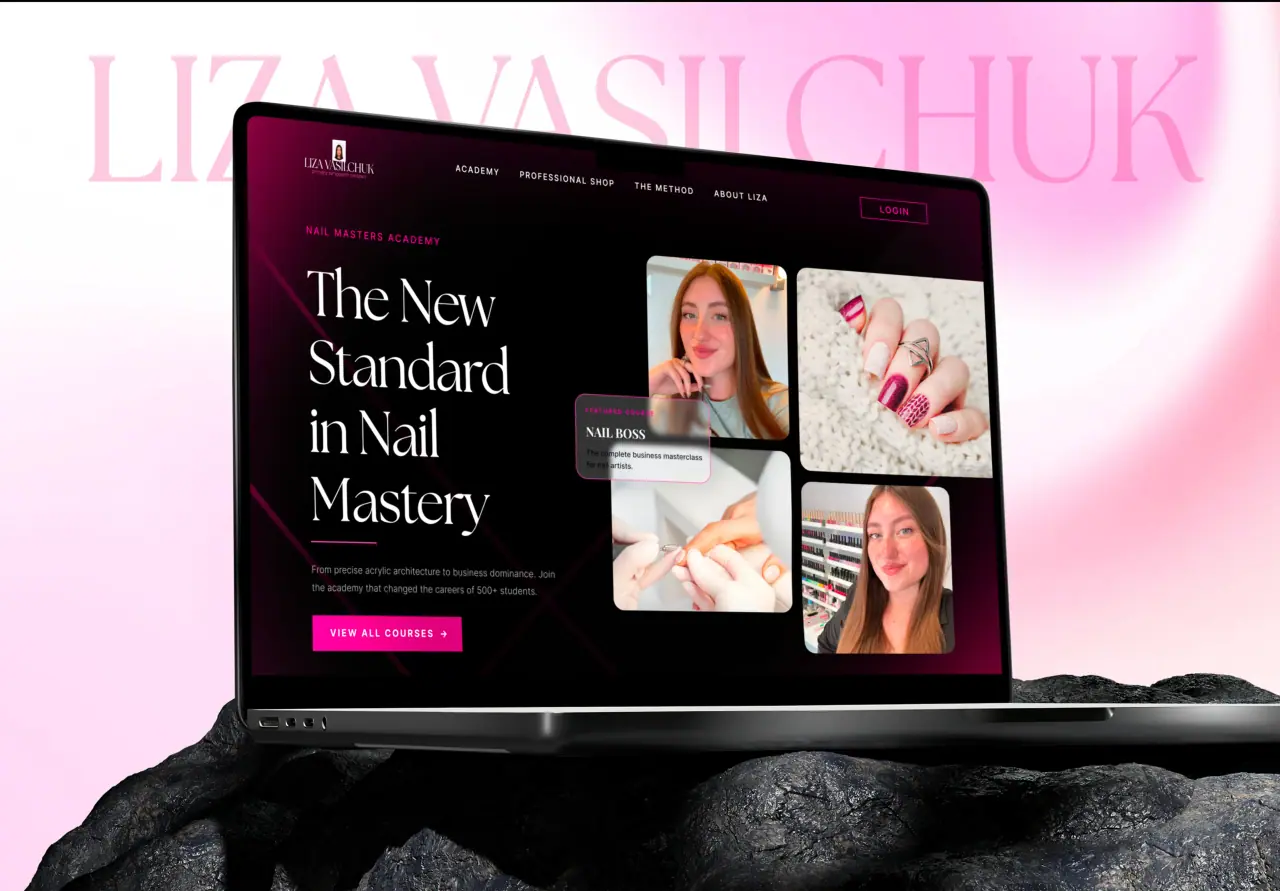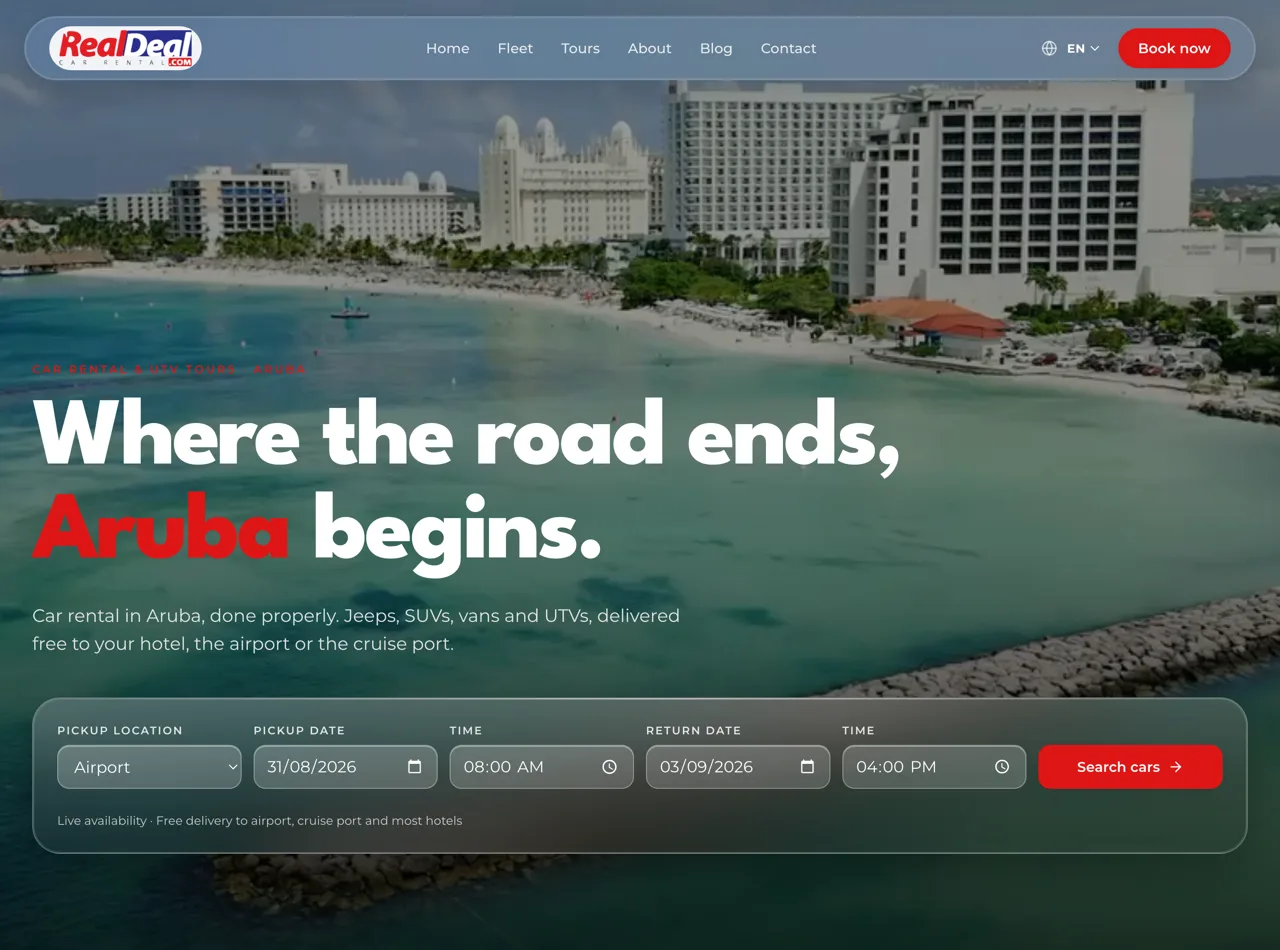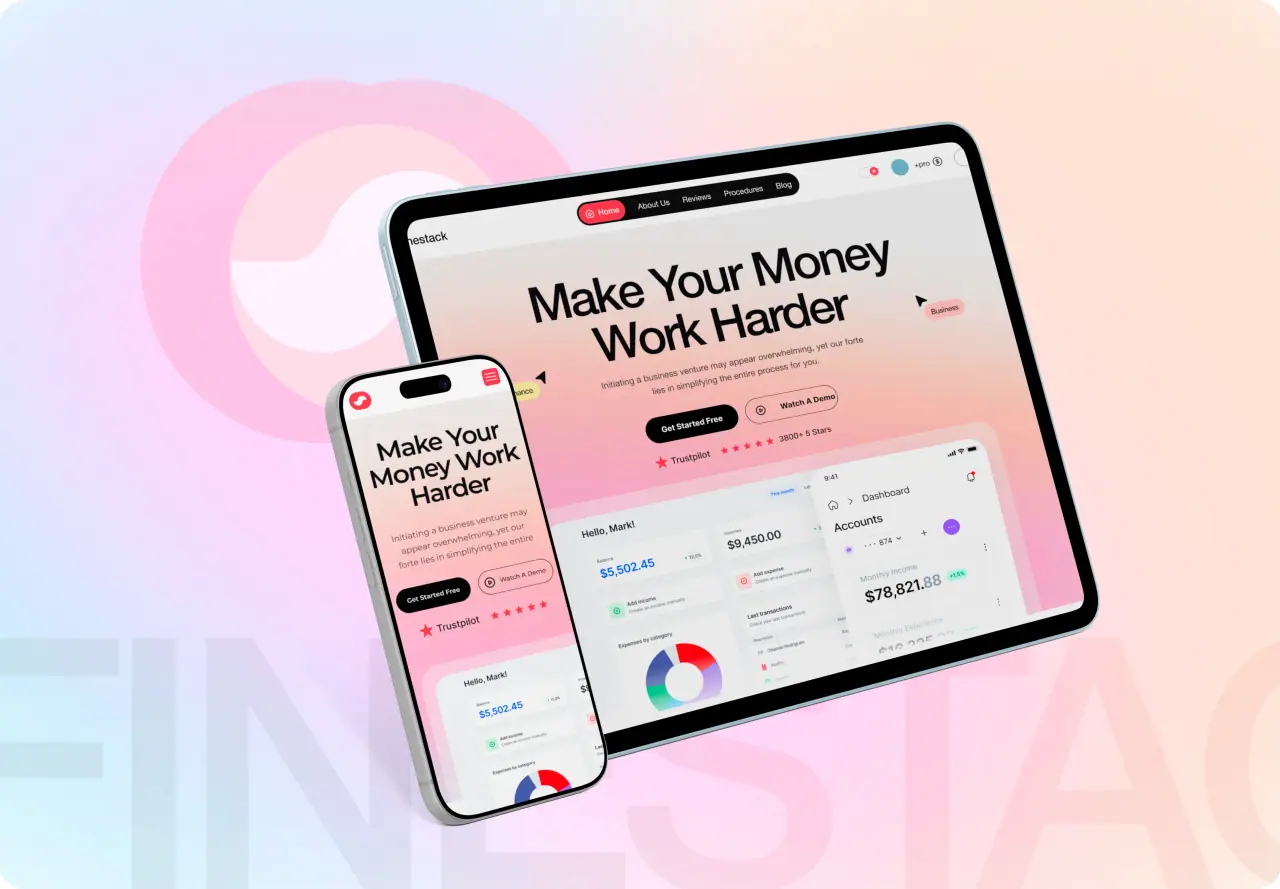





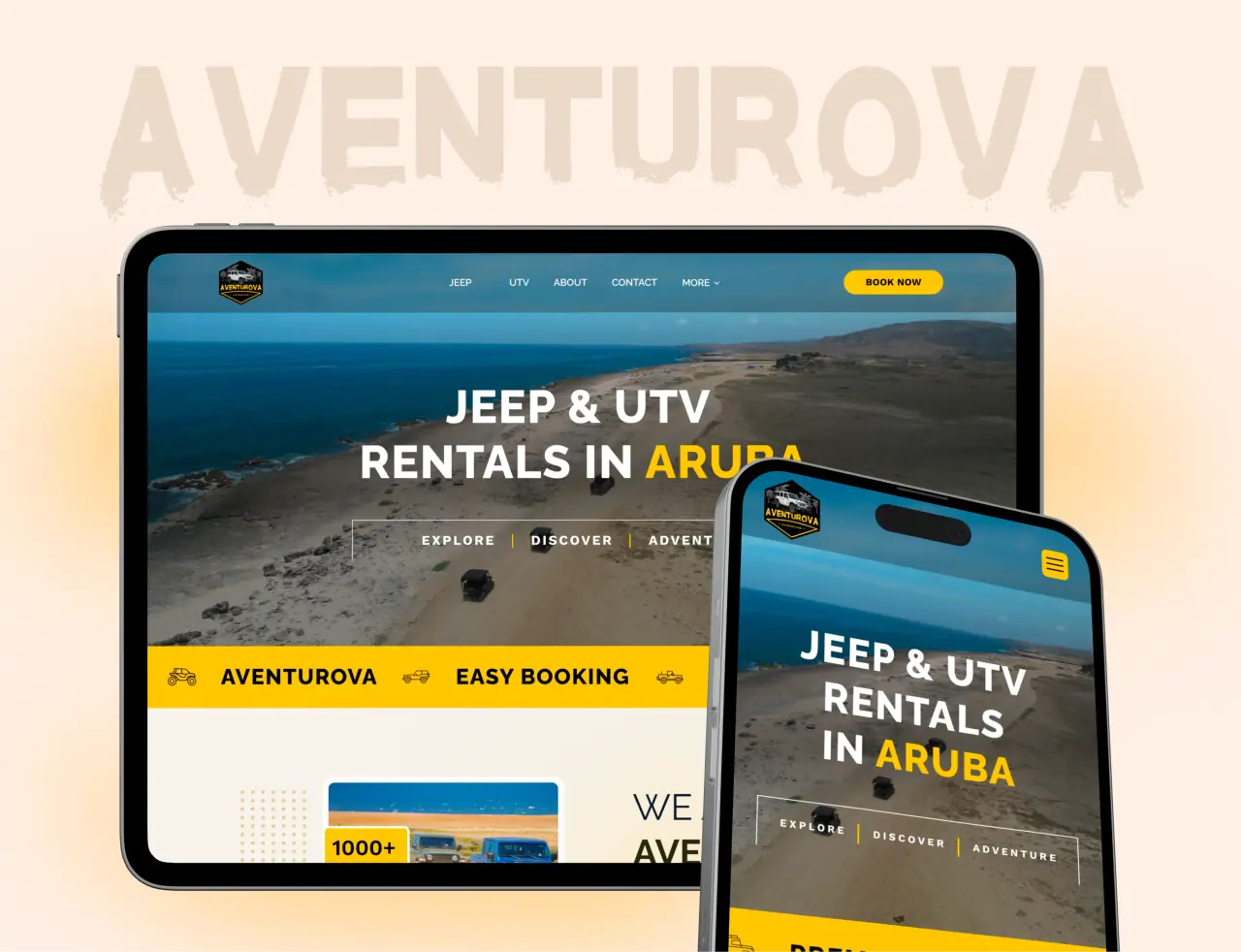
Custom web development gives your business more control than a template. It allows the website to follow the business model instead of forcing the business to follow the template.
Key takeaways
- Custom development gives growing businesses more control than templates.
- Figma-to-production works best when design files include responsive behavior and component logic.
- SEO, CMS structure, analytics, and performance should be planned before launch.
- Quality development feels invisible: fast pages, stable layouts, working forms, and easy content editing.
Why Custom Development Still Matters
Website builders and templates are useful for quick starts, but many growing businesses eventually hit limits. They need flexible layouts, better performance, custom forms, integrated booking, CRM capture, e-commerce logic, or content structures that generic templates do not handle well.
Custom web development allows the website to support the business model, sales process, content strategy, and operational workflow.
For US service companies, agencies, SaaS startups, local businesses, and e-commerce brands, that difference can influence lead quality, efficiency, and long-term search visibility.
- Build around the real offer instead of a fixed template
- Support custom forms, CMS fields, booking, and integrations
- Protect performance and SEO as the website grows
The Figma-to-Production Workflow
A strong development project starts before code. The design file should define desktop, tablet, and mobile behavior, spacing, typography, reusable components, interaction states, and content rules.
The Figma-to-production workflow should include a technical review before build. Developers need to identify which elements are static, which require CMS control, which components repeat, and which animations are necessary.
After that, the build moves through environment setup, component development, page assembly, CMS configuration, QA, performance optimization, tracking setup, staging approval, launch, and post-launch monitoring.
- Technical review before development starts
- Reusable components mapped from Figma to code
- QA and launch checks built into the timeline
What to Include in a Custom Website Scope
A professional scope protects both the client and the agency. It should define page templates, unique pages, CMS collections, integrations, forms, animations, responsive requirements, SEO setup, analytics, content migration, QA, and launch support.
For a US business, the scope should also mention accessibility considerations, page speed targets, privacy notices, spam protection, security practices, and ownership of files.
If the website is meant to generate leads, include conversion elements in the scope: service pages, trust sections, comparison content, client proof, calls to action, contact forms, calendar booking, and thank-you page tracking.
- Page templates, CMS collections, forms, and integrations
- Accessibility, privacy, speed, analytics, and security
- Conversion tracking and post-launch support
Development Quality Signals
Good custom development feels invisible to the user. Pages load quickly, buttons behave predictably, forms work, layouts do not break on mobile, and content editors can update the site without damaging the design.
Behind the scenes, quality includes semantic HTML, optimized assets, clean CSS, reusable components, secure dependencies, proper redirects, schema markup, XML sitemap submission, and analytics events.
The agency should also provide documentation. Even a simple handover guide helps the client update content, publish blogs, replace images, check forms, and request future improvements.
- Fast load times and stable responsive layouts
- Semantic structure, optimized assets, and clean components
- Documentation for content editing and maintenance
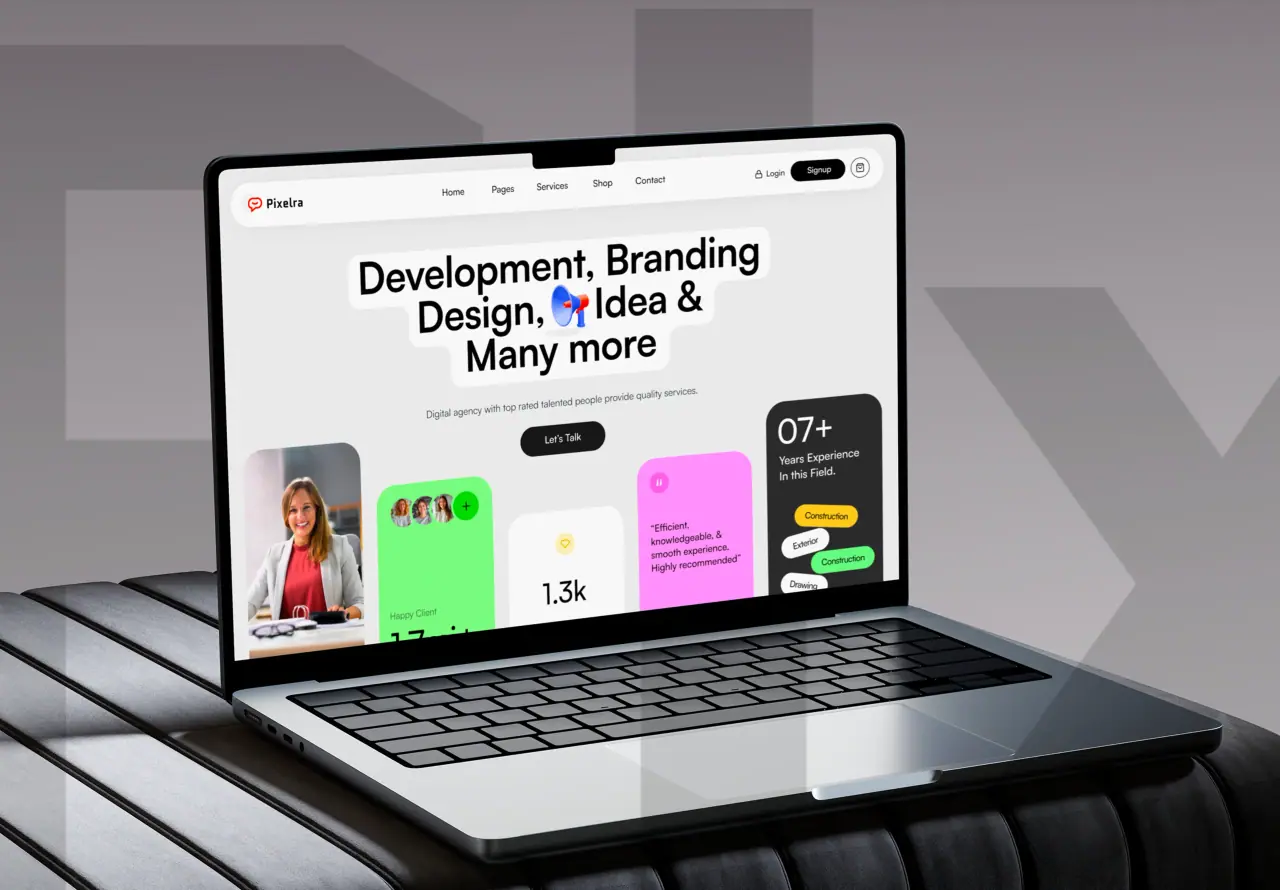
Why Development and SEO Should Be Planned Together
SEO should not be added after launch like a patch. URL structure, headings, internal links, schema, page speed, metadata, image alt text, blog templates, and service-page architecture should be planned during development.
A custom website can support SEO especially well because content types can be structured around search demand and buyer intent.
NeoDimensional LLC describes development as the production layer of a broader digital product process: plan the experience, design the interface, build the website, optimize it for search, and support growth after launch.
- Plan URLs, metadata, headings, schema, and internal links before launch
- Build CMS structures that support SEO content over time
- Connect custom development with measurable growth strategy