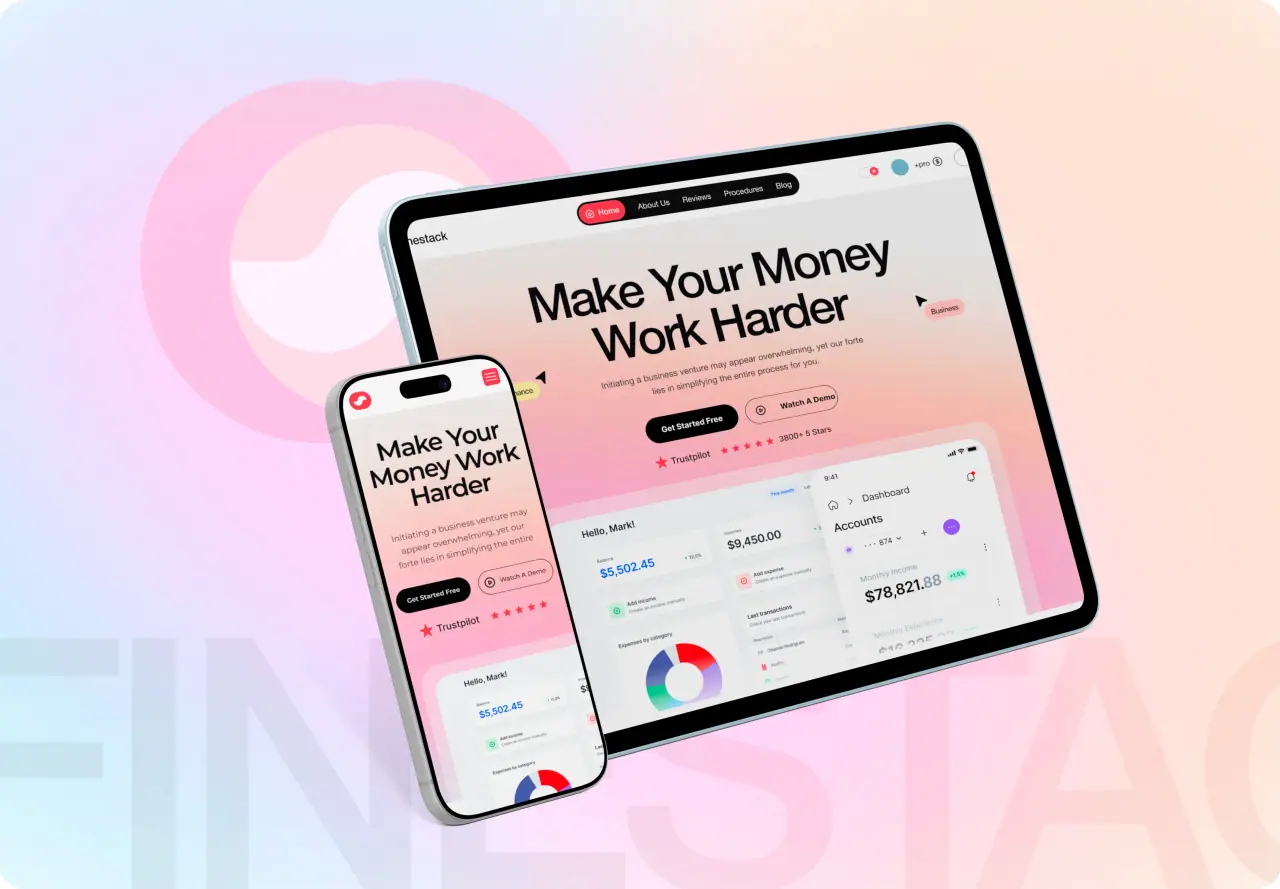






If you have heard the term design system and were not quite sure what it meant, this is for you. In plain English: a design system is the single source of truth for how a product looks and works. Here is what that means and why it matters.
Key takeaways
- A design system is the source of truth for a product’s UI.
- It includes tokens, components, patterns, and guidelines.
- It keeps products consistent and speeds up design and build.
- It pays off most as a product and team grow.
What a Design System Is
A design system is a shared, documented set of standards and reusable pieces that define how a product looks and behaves. Instead of designing every button, form, and page from scratch, teams assemble them from agreed building blocks — so everything stays consistent.
Think of it as a kit of parts plus the rules for using them. It is the single source of truth that designers and developers both work from, so the product feels like one coherent thing rather than a patchwork.
- Shared standards and reusable building blocks
- A single source of truth for the UI
- Consistency by default, not by luck
What a Design System Includes
A design system usually has a few layers. Design tokens define the basics — colors, typography, spacing — as named values. Components are the reusable UI pieces (buttons, inputs, cards) built from those tokens. Patterns show how components combine, and guidelines explain when and how to use everything.
The most useful systems connect design and code: the components designers use map to the components developers build. That alignment is what makes a design system more than a style guide.
- Tokens: colors, type, spacing as named values
- Components and patterns built from tokens
- Guidelines, ideally mapped to code
Why Design Systems Matter
Design systems save time: new screens and features get assembled from existing, tested parts instead of reinvented. They keep the product consistent, which builds trust and reduces confusion. And they let design and engineering move faster because they share one vocabulary.
They also make change easier. Update a token or component once, and it updates everywhere — turning what would be a sprawling, error-prone edit into a single, safe one.
- Faster design and development
- Consistency that builds trust
- Change once, update everywhere
When You Need One
A tiny, one-off project may not need a formal design system. But as soon as a product grows — more screens, more features, more people working on it — inconsistency and rework creep in, and a design system starts paying for itself.
You do not need to build everything at once. Even a lightweight system — core tokens and a handful of components — brings most of the benefit early, and can grow with the product.
- Most valuable as products and teams grow
- Prevents inconsistency and rework
- Start light, expand over time
How NeoDimensional Builds Design Systems
NeoDimensional is a US-based UI/UX design and software development agency, founded by Guljar Hosen. We build practical design systems — tokens, components, and guidelines that map to real code — so your product stays consistent and your team ships faster.
If your product has grown inconsistent or slow to change, a design system is the fix. Book a call and we will scope one that fits your stage.
- Practical tokens, components, and guidelines
- Design that maps to real code
- Sized to your stage