




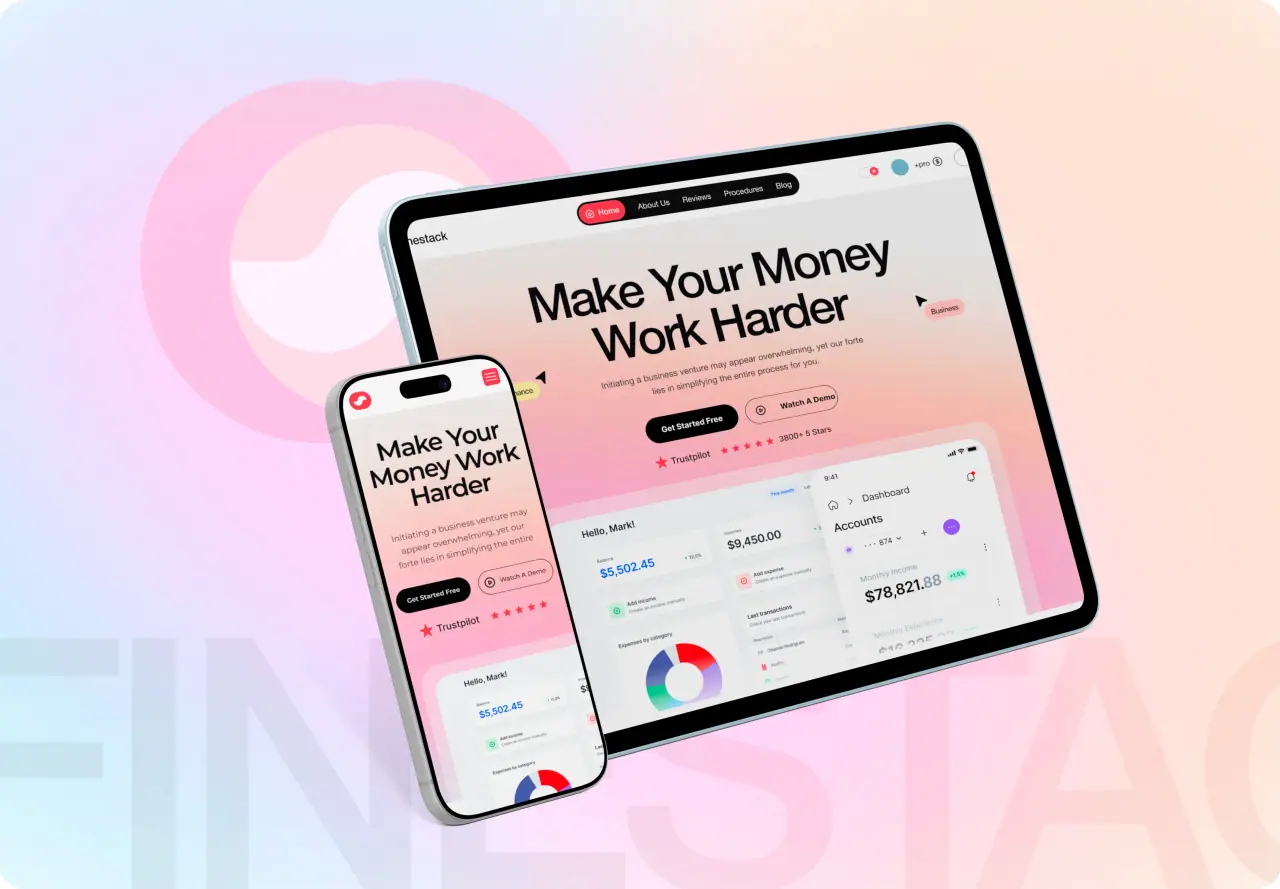
A prototype lets you experience a design before it is built — clicking through it like a real product. That simple idea prevents a surprising number of expensive mistakes. Here is what a prototype is and why it matters.
Key takeaways
- A prototype is an interactive, clickable version of a design.
- It simulates how a product will actually behave.
- Prototypes reveal problems that static designs hide.
- Testing a prototype is far cheaper than fixing built code.
What a Prototype Is
A prototype is an interactive version of a design — clickable screens linked together so you can walk through a real flow, not just look at static images. It simulates how the finished product will actually behave, letting you experience it before it is built.
Prototypes can be rough or highly realistic, but the defining trait is interactivity. Instead of imagining how a design would feel to use, you actually use it.
- An interactive, clickable version of a design
- Simulates real product behavior
- Experience it before it is built
Prototype vs Wireframe vs Mockup
These three get confused. A wireframe is a structural blueprint (layout, no polish). A mockup is a static, high-fidelity visual (how it looks, but not interactive). A prototype adds behavior — it is a mockup you can click through and interact with.
The progression is natural: wireframe the structure, design the mockup, then wire it into a prototype to test the real experience before development.
Related: how wireframing and prototyping fit together.
- Wireframe: structure
- Mockup: how it looks (static)
- Prototype: how it behaves (interactive)
Why Prototypes Matter
Static designs hide problems that only appear in use — a confusing flow, an awkward step, a missing state. A prototype surfaces these while they are cheap to fix, on the design side, instead of after they are built into code.
It also aligns everyone. Rather than each person imagining a different final product, a prototype lets stakeholders and users experience the same concrete thing, so feedback is grounded and surprises happen early.
- Reveals problems static designs hide
- Fix issues before they are coded
- Everyone experiences the same thing
Testing With Prototypes
Because a prototype behaves like the real product, you can put it in front of users and watch them use it — before writing a line of production code. That is the cheapest possible time to discover that something is confusing, and to fix it.
A round of prototype testing routinely saves far more than it costs, by catching usability problems while they are still just a design change rather than a rebuild.
Related: wireframes, mockups and prototypes compared.
- Test with users before coding
- Catch confusion at the cheapest stage
- Saves more than it costs
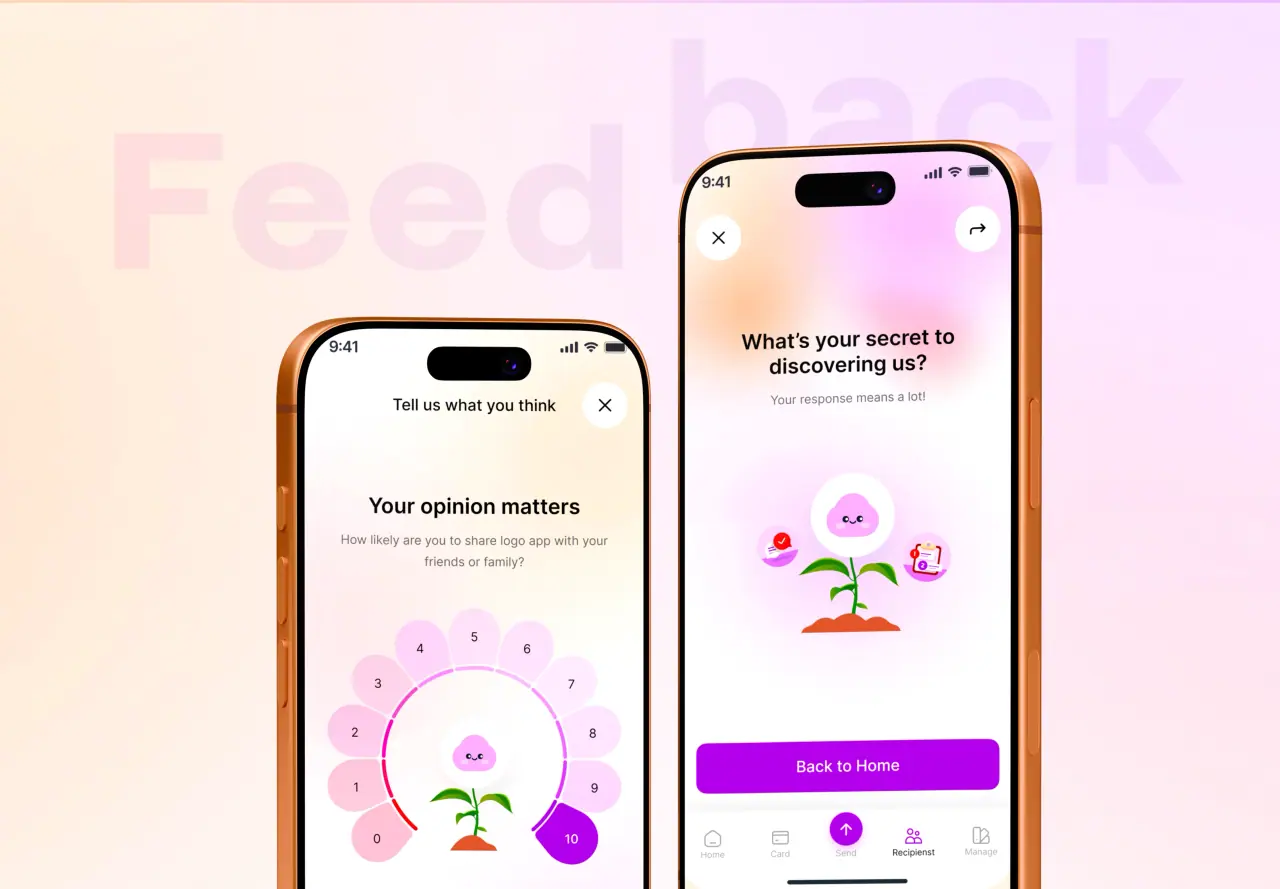
How NeoDimensional Prototypes
NeoDimensional is a US-based UI/UX design and software development agency, founded by Guljar Hosen. We prototype and test flows before we build, so the experience is validated before development — which means fewer surprises and a product that works.
If you want to see and feel your product before committing to a build, prototyping is how. Book a call and we will show you our process.
- Prototype and test before building
- Validated experience before development
- Fewer surprises, a product that works