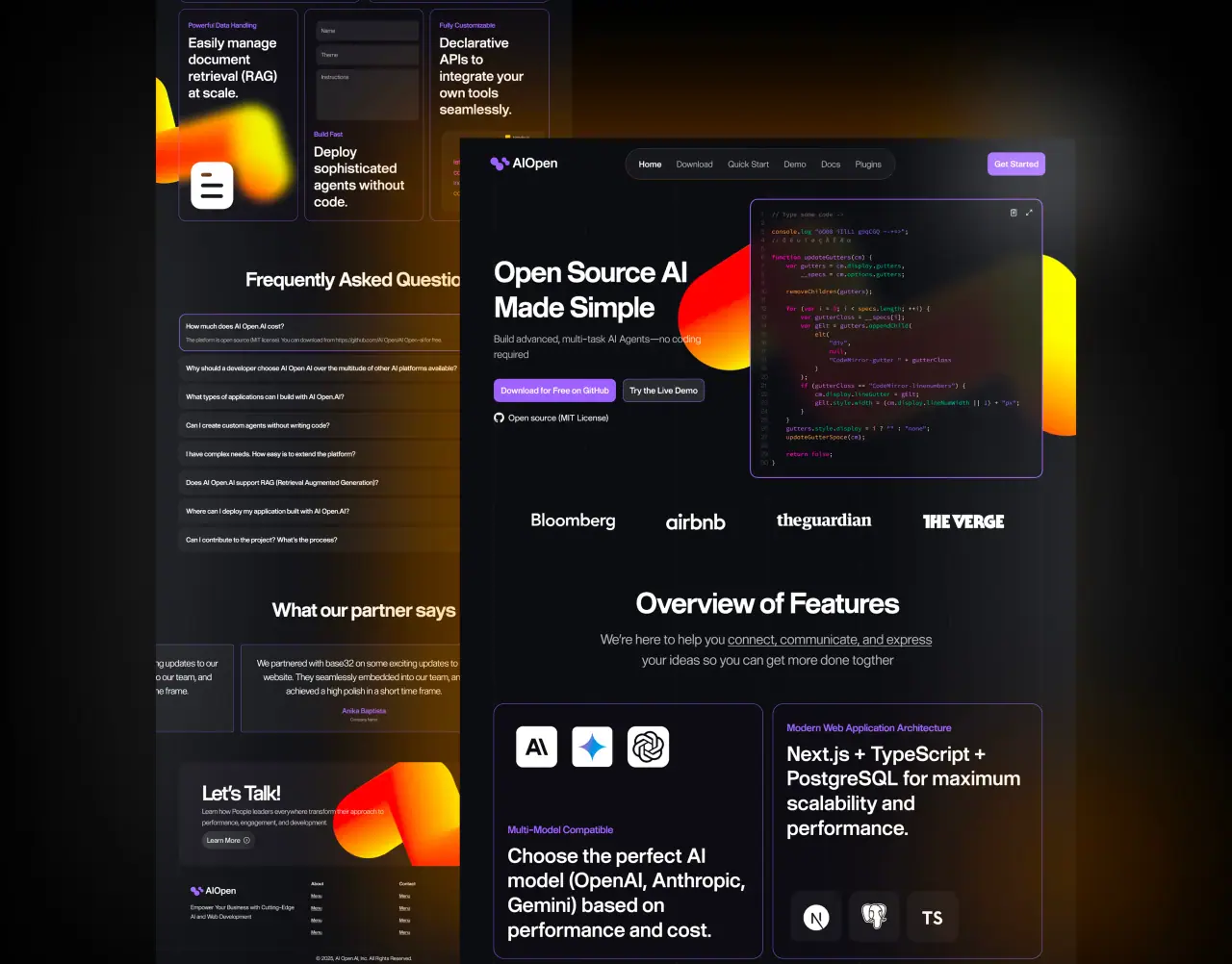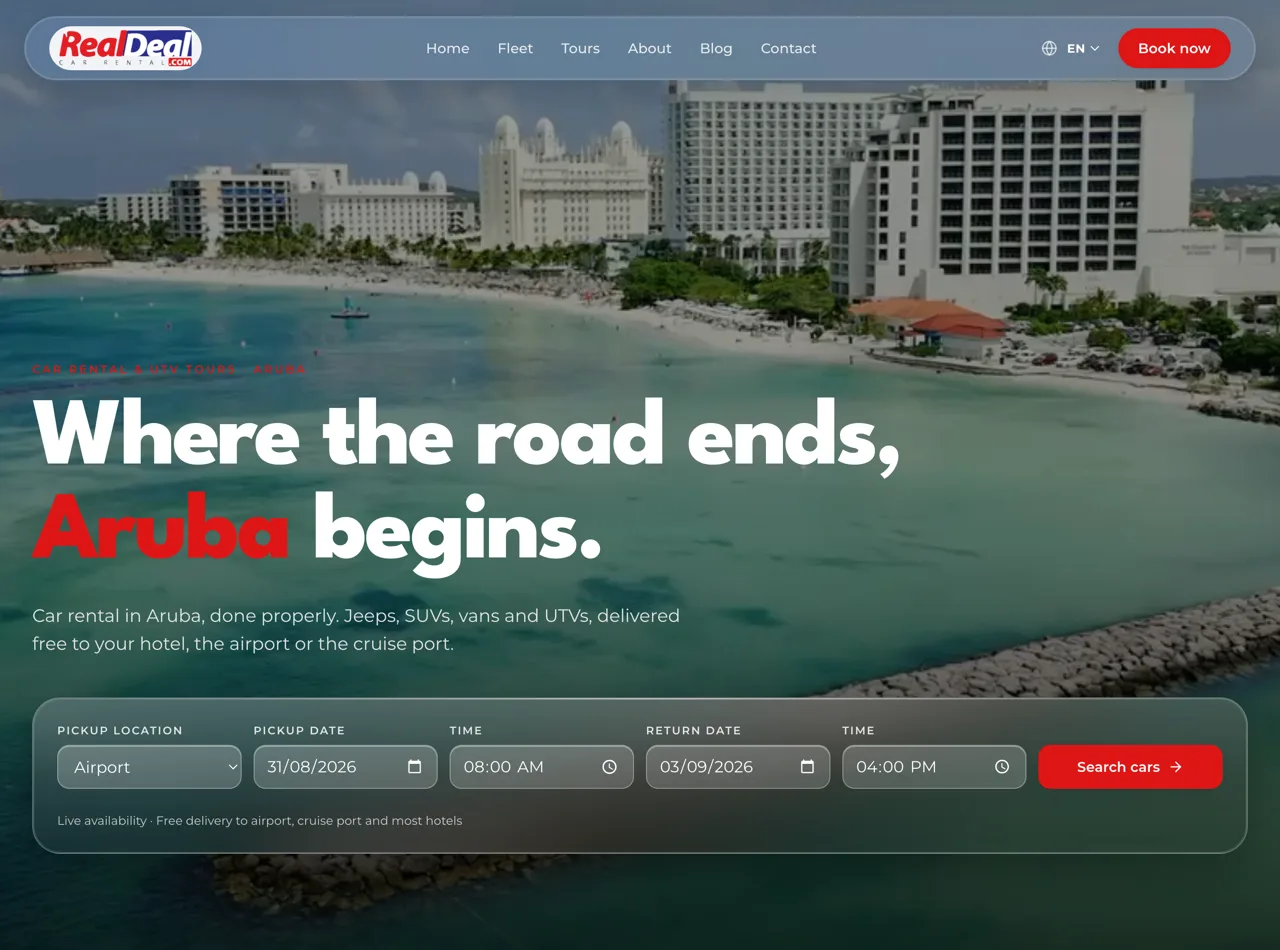






A website can look modern, clean, and visually impressive, yet still perform poorly in search. SEO-friendly design builds visibility into the website structure from day one.
Key takeaways
- SEO-friendly design is built into website structure from day one.
- Core Web Vitals connect loading speed, interactivity, and visual stability with search performance.
- Good UX strengthens SEO through clear navigation, readable content, and logical flows.
- Sustainable SEO compounds over time when design, content, and development work together.
Why Beautiful Websites Still Fail to Rank
A website can look modern and still struggle in search results. Common design-related SEO problems include heavy images, oversized animations, poor heading hierarchy, confusing navigation, thin content, and large layout shifts.
Search engines do not rank aesthetics alone. They reward clarity, speed, structure, usefulness, and a user experience that helps visitors find what they need.
For US businesses, that means the design process should consider search intent, service-page architecture, internal links, and mobile performance before the site launches.
- Heavy media can slow pages and hurt Core Web Vitals
- Weak heading hierarchy makes content harder to understand
- Confusing navigation reduces crawlability and user engagement
Technical SEO Begins at the Design Stage
Technical SEO is not just a developer's responsibility. It starts with design decisions that shape page hierarchy, navigation, URL planning, crawlable layouts, content order, and internal linking paths.
When design ignores SEO principles, developers are forced to patch issues later, often with limited success.
At NeoDimensional LLC, SEO considerations are part of wireframing and layout planning, not an afterthought added before launch.
Related: SEO and growth service.
- Plan page hierarchy and navigation before visual design
- Use clear headings and crawlable content sections
- Make internal linking part of the website architecture
Core Web Vitals: Where Design and SEO Meet
Google's Core Web Vitals measure Largest Contentful Paint, Interaction to Next Paint, and Cumulative Layout Shift. Design choices directly impact all three.
Oversized hero images can hurt LCP. Heavy animations can block interaction. Poor spacing and late-loading assets can cause layout jumps.
SEO-friendly design prioritizes stability and performance, not just visual flair. This does not remove creativity; it makes creativity perform.
- Optimize hero media and visual assets for fast loading
- Avoid effects that block interaction or create instability
- Define media dimensions so layouts do not jump
UX and SEO Are Not Enemies
A common myth is that SEO limits creativity. In reality, good UX strengthens SEO. Clear navigation helps users and crawlers. Scannable content improves engagement. Logical flows reduce bounce rates.
Search engines reward websites that users enjoy using because those experiences create stronger behavioral signals.
The best SEO-friendly design feels natural. It guides visitors without making the page feel stuffed, rigid, or over-optimized.
Related: the technical SEO foundations behind it.
- Clear navigation supports users and search engines
- Readable content keeps visitors engaged
- Logical flows improve trust and reduce bounce

Why Sustainable SEO Beats Short-Term Tactics
Paid ads stop when budgets stop. SEO-friendly design compounds over time because a well-structured website ranks more easily, requires less content to perform, converts traffic more effectively, and scales without constant rework.
SEO is not a plugin, a checklist, or something you add later. SEO-friendly design is the foundation of sustainable digital growth.
For NeoDimensional LLC clients, the goal is to connect premium design with long-term visibility so each page can support both search engines and real buyers.
- Better structure helps future content rank faster
- SEO-friendly pages convert organic visitors more effectively
- Sustainable growth comes from design, content, and development alignment