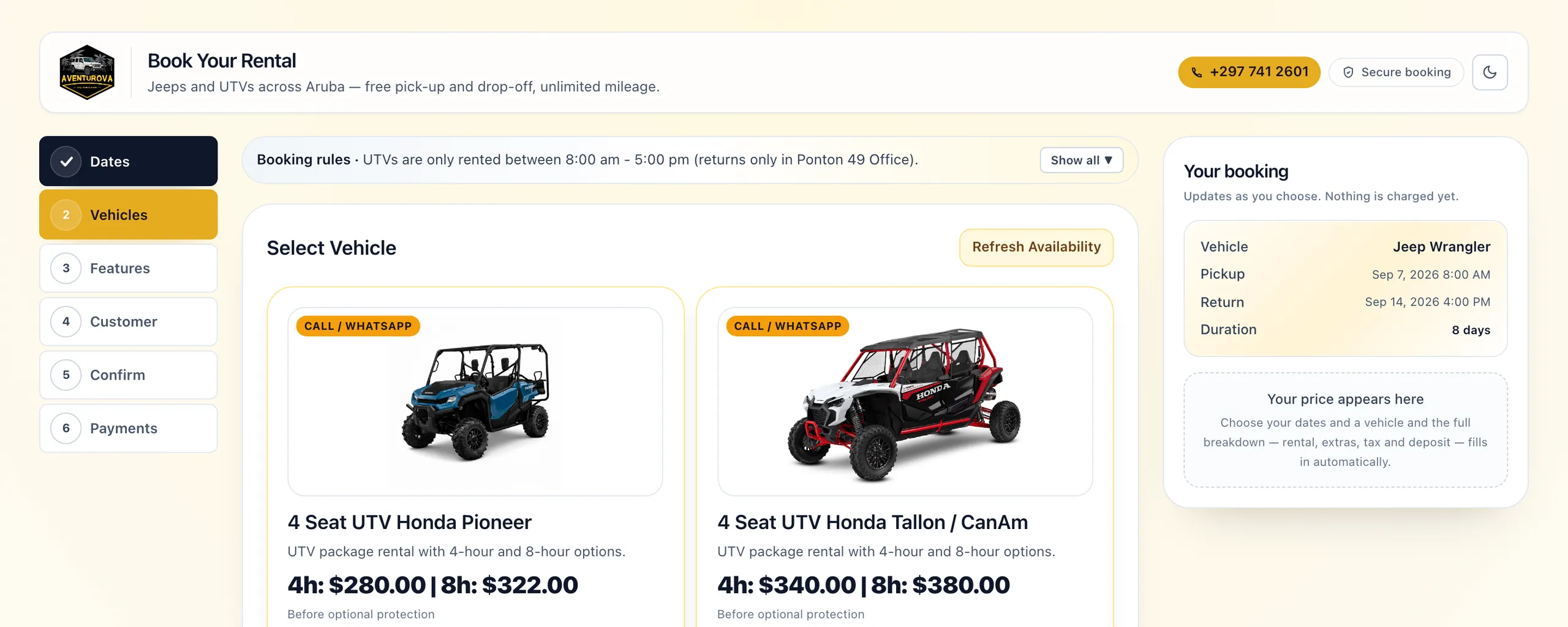





You can have beautiful pages and still lose people if they cannot find what they need. Information architecture is the invisible structure that makes a site navigable. Here is what it is and how to get it right.
Key takeaways
- Information architecture is how content is organized and labeled.
- Good structure is invisible; bad structure is felt immediately.
- It should reflect how users think, not your org chart.
- Clear IA improves usability and SEO.
What Information Architecture Is
Information architecture (IA) is the way a site’s content is organized, structured, and labeled so people can find things and understand where they are. It covers navigation, categories, hierarchy, and the words used for menus and links — the skeleton beneath the visual design.
IA is mostly invisible when it is good. You only notice it when it is bad — when you cannot find a page, cannot tell where you are, or the menu labels do not match what you expect. Then structure becomes the whole experience.
- How content is organized and labeled
- Navigation, hierarchy, and wording
- The skeleton beneath the design
Why Structure Decides Usability
People come to a site to accomplish something, and structure determines how easily they can. If the path to a goal is buried, mislabeled, or scattered, they give up — no amount of visual polish rescues a site people cannot navigate.
Good IA also helps search engines. A clear hierarchy and sensible internal linking make it easier for Google to understand and index your content, so structure serves both users and rankings.
- Structure decides how easily goals are reached
- Polish cannot rescue bad navigation
- Clear IA helps SEO too
Principles of Good IA
Good IA reflects how users think, not how your company is organized. Categories should be clear and mutually distinct, labels should use the words users use, and the most important paths should be the easiest to reach. Depth should be balanced — not everything on one page, not everything buried five clicks deep.
Consistency matters: navigation should behave predictably everywhere, and users should always be able to tell where they are and how to get back. Predictability is what makes a site feel effortless.
- Reflect user mental models, not the org chart
- Clear categories and user-friendly labels
- Predictable, consistent navigation
How to Build Good IA
Start by inventorying your content and understanding user goals. Group related content in ways that make sense to users — techniques like card sorting let real people show you how they expect things to be grouped. Then define the navigation and test that people can complete key tasks.
IA is worth getting right early, because restructuring a live site is disruptive. A little upfront thought about structure saves a lot of confusion — and rework — later.
- Inventory content and map user goals
- Group by user logic (e.g., card sorting)
- Test that people can complete key tasks

How NeoDimensional Structures Sites
NeoDimensional is a US-based UI/UX design and software development agency, founded by Guljar Hosen. We design clear information architecture — structure and labels that match how your users think — so people find what they need and search engines understand your site.
If your site is hard to navigate or you are planning a new one, we can get the structure right. Book a call to talk it through.
- Structure that matches how users think
- Clear navigation and labels
- Better usability and SEO