




Tour booking software sells time: a departure, a slot, a package, with a limited number of seats or machines. Getting it right means the booking page never offers a time the business cannot run, quotes the real total, and gives the guide or the desk a clear list for the day. Here is what to look for, how the platforms compare, and the closest work we have done.
Key takeaways
- The core of tour booking software is capacity: seats, guides or machines per slot, and what happens when a slot is full.
- Packages, operating hours, meeting points and add-ons are rules, and rules belong in the system, not in the description text.
- FareHarbor, Peek and Bókun are built for tours and are the right start for most operators.
- A system of your own makes sense when your rules or volume outgrow the platform.
- NeoDimensional builds custom booking systems from $6,999, priced in writing before work starts.
What tour booking software must do
Show the dates and times that can really run. Hold a seat or a machine while the guest pays. Take payment online, as a deposit or in full, and at the desk. Send a confirmation with the meeting point and what to bring. Give staff a list for each departure. Let partners such as hotels and tour desks sell it, and pay them their commission.
- Capacity per slot: seats, guides, vehicles or machines
- Packages and durations, priced as packages
- Operating hours and blackout dates enforced by the system
- Deposits, balances, refunds and payment links
- Partner and referral tracking with commission rules
- A daily departure list for guides and the desk
Rules the system should enforce
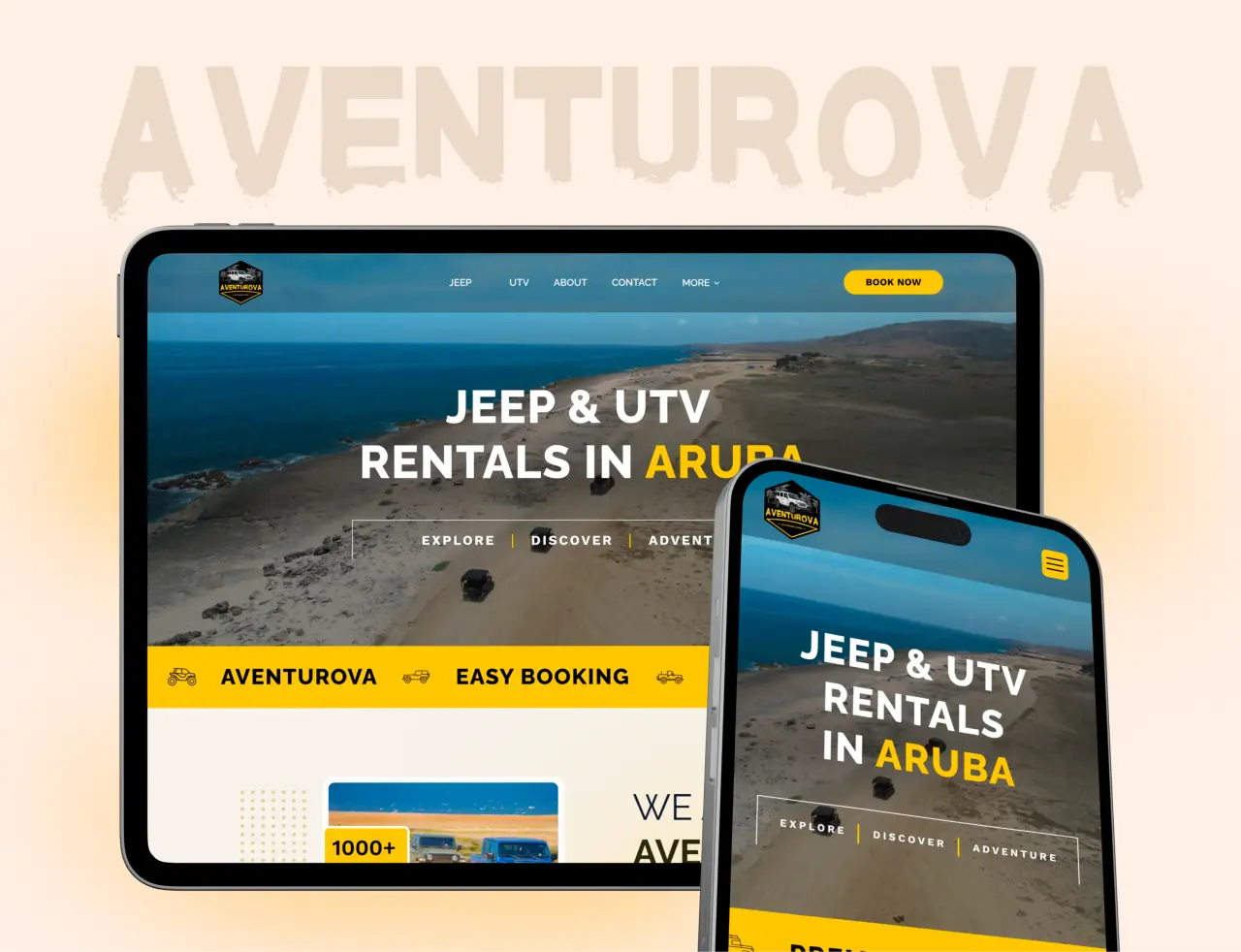
On Aventurova's booking system in Aruba, UTVs rent in four- and eight-hour packages, only between 8:00am and 5:00pm, and return to one office. Those rules are not copy on a page. The availability calculation, the booking-rules panel and the vehicle card all read the same constraints, so the flow never offers a slot the business cannot honour.
That is the test for any tour booking software, platform or custom: write down every rule staff apply by hand, then check whether the software enforces it or only describes it.
Related: the full booking system guide.
What a full slot should say
An empty card or a greyed-out time teaches the guest nothing and loses the booking. On Aventurova's system, each unavailable machine shows the moment it comes back, computed from the reservation it is sitting inside, so a visitor can move to the afternoon instead of leaving the site.
Small decisions like this are where a booking flow earns or loses money, and they are easier to make when the system is yours.
Platforms or your own system
FareHarbor and Peek reportedly charge no monthly fee and take a booking fee, up to about 6% on FareHarbor and up to 6% to 8% on Peek by public comparisons, often added to the guest's total. Bókun reportedly charges a monthly plan with a smaller fee and is strongest at selling through Viator and other resellers. Ask each for a current quote.
For a new operator with standard departures, a platform is the right start. A system of your own makes sense when the yearly fees approach a build price, when your packages and rules do not fit, or when you want partners to show live prices from your own system.
Related: transfer booking software.
The closest work we have done
We have not built a system for a guided-tour company with scheduled departures, and we will not pretend otherwise. The closest work is Aventurova, whose hourly UTV packages are sold like an activity, with operating hours, capacity per machine and a single return point, and Dushi Transfers, which sells private island tours alongside airport transfers. We designed and built the Dushi website and its booking system.
Aventurova's system also handles what tour operators ask for most: Stripe payments live since September 2026, cash and card at the desk, refunds to the card, referral links for hotels and tour desks with commission on the rental and never on tax, and a public price feed partner sites read.

Cost
NeoDimensional builds custom booking systems from $6,999, with the final price fixed in writing after a 30-minute call. You pay 30% to start, 40% at review and 30% at launch, to a US company in USD. The code and accounts are yours, with 30 days of fixes after launch.
Related: the Aventurova case study.